-
AI or Bait-and-Switch? When Smart Tech Turns Against Customers
SIGN UP TO ILENIA'S NEWSLETTERS
“The issue of trust does not lie in the technology, it lies in the culture.” – Rachel Botsman
Imagine walking into a store where the price tags adjust based on how much the company thinks you can afford. That’s the digital equivalent of what this AI does. Airlines might call it yield management 2.0. But to customers, it feels like bait-and-switch – fares rising not from demand, but because an algorithm thinks you’ll tolerate it.
When did innovation start to mean tricking the very customers we’re meant to serve? As a thought leader in customer experience, I’ve been reflecting on this question while watching a troubling trend take off in the airline industry. Some airlines are using artificial intelligence not to improve service, but to play a digital-age shell game.

The Allure of AI-Powered Pricing – and Its Dark Side
At first glance, letting AI set prices sounds like efficiency. Airlines already adjust fares based on demand, timing, and traveller profiles. In fact, they’ve long used “fare fences” – rules like staying over a weekend or booking early – to charge more to travellers who are less flexible. Traditionally, these tactics had some logic and transparency to them. But with AI, the game has changed. AI can crunch vast data in real time and pinpoint the highest price each individual customer might pay. Delta Air Lines has been at the forefront of this experiment. Delta’s President, Glen Hauenstein, openly discussed using AI tools to overhaul how tickets are priced. The goal is to identify the maximum a traveler will pay for a seat without driving them away. In testing, Delta saw “amazingly favorable” revenue results from these AI-driven prices. By the end of this year, Delta plans to have AI setting fares on 20% of its domestic flights, up from just 3% earlier. Delta once described its AI as a “constantly-on super-analyst” tailoring prices to each individual traveller.

Breach of Trust at 30,000 Feet
Airlines have a hard enough time earning customer loyalty; eroding it with deceptive pricing is a self-inflicted wound. Many described Delta’s AI pricing approach as “bait and switch” and a breach of trust. I find myself agreeing. When a company lures you with one fare only to nudge it higher using an algorithm, it violates the unwritten contract of fairness.
What’s more, these schemes create negative customer experiences. Take another recent pricing ploy: several airlines quietly tested charging single travelers more per ticket than people flying in pairs. Essentially, if you booked alone, you paid a higher fare for the exact same itinerary than if you booked with a companion. Under public pressure, Delta and United Airlines actually backed off that particular solo-traveler surcharge – but not by making solo fares cheaper. Instead, they reportedly raised the multi-passenger fares to match the higher single rate. In other words, when called out, they removed the discount rather than the surcharge. If that isn’t counter-intuitive, I don’t know what is. It shows how far some airlines will go to squeeze a bit more revenue, even at the expense of goodwill.
As a customer-centricity advocate, these examples concern me deeply. Trust, once broken, is awfully hard to repair. In my LinkedIn Learning course, I talk about how companies can maintain, regain, and earn customer trust – especially when technology is involved. Every time an airline’s AI pricing scheme makes a customer feel cheated, a “trust account” is being drained. The effects might not show up immediately on a balance sheet, but they will fester in customer sentiments and future behaviors. As loyalty guru Fred Reichheld warns, profits earned at the expense of customer relationships are “bad profits” – they come from unfair or misleading practices, and they choke off long-term growth. If a dollar of revenue today creates a detractor tomorrow, is it really worth it?

AI as a Tool for Service, Not Deception
It doesn’t have to be this way. AI itself isn’t malevolent; it’s all about how we choose to use it. In my work, I often stress that technology should augment genuine value, not mask the lack of it. There is a better path for airlines and any business embracing AI. Imagine AI that helps an airline predict maintenance issues before they cause delays, or an AI that proactively reroutes stranded travellers during weather disruptions – that builds trust. When a flight is canceled, an AI-driven system could instantly rebook affected passengers and notify them, reducing stress. All of this uses artificial intelligence, but in an assistive way – to enhance the experience, not to manipulate it.
Airlines operate in a competitive environment where loyalty is fragile. Using advanced technology to outfox your own customers is a sign of outdated, product-centric thinking – the mentality that the customer is a target to exploit, rather than a partner to serve. This mindset is what needs disruption. The most visionary leaders today understand that long-term success comes from trust and loyalty. As management legend Peter Drucker famously said, “The purpose of business is to create and keep a customer.” That purpose is undermined if our shiny new AI tools cause customers to feel tricked instead of valued.

Charting an Ethical Flight Plan for AI
So, how do we move forward? The answer isn’t to shun AI, but to embed ethics and customer-centric culture into AI strategies from day one. We, as leaders, need to ask tough questions in the boardroom and data science labs alike:
1. Just because we can do this with AI, should we?
2. Will this use of AI make our customers’ lives easier?
3. Are we preserving the basic principles of honesty and fairness that our brand stands for?If any of those answers are uncomfortable, it’s time to hit pause and rethink. One practical step is to establish clear guiding principles for AI use in pricing, marketing and operations. For instance:
Commit that your company will never use personal data to secretly charge individuals different prices for the same product in ways they would deem unfair. (If there are justifiable reasons – say, giving loyal members better deals – make sure it’s transparent and opt-in.)
Also, invest in AI that improves operations and employee capabilities: route optimisation, customer support chatbots that actually resolve issues, personalised assistance.These investments pay off in customer satisfaction, which in turn pays off in repeat business.
Conclusion
Remember that trust, once lost, is expensive to regain – far more expensive than any incremental fare increase an algorithm might squeeze out today.
As Reichheld notes, bad profits “blacken a company’s reputation and make it vulnerable to competitors”.
Finally, if your company culture values customers as just numbers on a revenue report, even the best AI will be used poorly. But if you cultivate a culture of empathy, integrity, and long-term thinking, you will wield AI in service of those values. The quote I opened with resonates here: trust is a cultural issue. An organisation that truly puts customers first will naturally ask, “How can AI make our customers happier?” instead of “How can AI make our customers pay more?”As for me, I’m committed to steering us all toward a future where AI, customer experience and trust go hand in hand, because anything less is a failure of leadership and imagination.
P.S. Book me for your next keynote, masterclass, or executive advisory!
➤ Take my LinkedIn Learning courses
➤ Get a copy of my book
SIGN UP TO ILENIA'S NEWSLETTERS
-
Amazon Go: When High‑Tech Retail Forgets That Retail Is About People
SIGN UP TO ILENIA'S NEWSLETTERS
Amazon launched Go in 2018 with grand ambitions, plans for thousands of cashierless stores. The idea was simple: walk in, grab what you need, and walk out without stopping to pay. Sensors and cameras would handle the rest. Initially, we all marveled at this futuristic concept. But fast forward to today: Amazon has closed roughly half of these stores, with only about 16 left in four states. Despite dominating online retail, Amazon “is struggling to make a mark in the physical store arena”. Amazon’s brilliance in supply chain and data did not translate into an engaging in-store experience. In essence, Amazon’s high-tech convenience experiment solved a problem (checkout lines) but didn’t create a compelling reason for people to actually come to the store.

Retail Is a People Business
Why did Amazon Go stumble? The uncomfortable truth is that retail has always been as much about emotions and human behavior as about efficiency. Shoppers are not robots executing transactions; we’re human beings driven by curiosity, habit, and feelings. Think about why people love browsing a store like TK Maxx or Lidl. It’s the thrill of discovery, that giddy feeling when you find an unexpected treasure on the shelf. Aldi, a discount grocer, famously has a random middle aisle full of rotating surprise items (so beloved that fans jokingly dub it the “aisle of shame”). That rotating “treasure hunt” gives people a reason to visit beyond just low prices. In an age where any product can be ordered online, retail stores survive by offering something experiential. The retails that will survive will become destinations and entertainment centers. In other words, a store must spark some joy or curiosity that a website can’t. Amazon Go, however, stripped the shopping trip down to pure utilitarian efficiency. Every Amazon Go I visited felt like a sterile vending machine: you get the product and leave, no surprises, no sensory delights, no human interaction. It was convenience at the cost of experience. And in retail, experience is often the real product.

What Amazon Missed: Empathy, Emotions, and Expectations
Walking into an Amazon Go store, I scanned my phone at the entrance gate. The technology was impressive, overhead cameras tracking my every move, virtual carts tallying my items. Yet as I wandered the aisles, I felt oddly disengaged. There were few staff around, and those present were mainly restocking or standing by. No one to smile or ask if I needed help. The store offered efficiency, but little warmth. It turns out many customers felt the same emotional gap. Shoppers had to download an app and link their payment just to enter, which some found more hassle than a simple cash purchase. Many were also wary of being constantly monitored by cameras, a feeling that their every step was tracked. Amazon’s reputation for data collection didn’t help ease those privacy anxieties. In trying to remove friction, Amazon created a different kind of discomfort.
Perhaps most striking is what behavioral experts observed about Amazon Go: by making the purchase process completely hands-off, it disrupted the psychology of shopping. We’re used to a sense of closure when we decide to buy something, handing over cash, swiping a card, and hearing a receipt print. Amazon Go erased that moment entirely. In other words, the store made some shoppers feel a loss of control or agency in their own purchase. That’s a fascinating insight: by fixing an annoyance (waiting), Amazon unintentionally removed an action that gave customers emotional confirmation of their choice. What Amazon saw as just excess friction, some customers subconsciously saw as part of the experience.

The expectations for Amazon Go were sky-high. Customers like me expected a futuristic delight, a convenience store reimagined for the modern age. But once the initial novelty of “just walk out” wore off, there wasn’t much to love. The food and product selection was ordinary. The prices weren’t particularly lower. And the ultra-minimalist design, while sleek, felt cold. Amazon seems to have assumed that eliminating checkout was enough to keep people coming back. But customers expected more than a transaction; they wanted some sense of connection, surprise, or at least an easier life than they already had. Without those emotional perks, many shoppers tried Amazon Go once out of curiosity and then drifted back to their usual corner store or café where the barista knows their name.
Embracing a New Perspective: Technology and Empathy
It’s ironic that Amazon, whose official leadership principle is “customer obsession,” faltered here by obsessing over the wrong aspect of the customer experience. Convenience is great, but only up to a point. How an experience makes customers feel has a bigger influence on their loyalty than even convenience.
Where does this leave us? As business leaders, we should certainly celebrate technology’s ability to simplify life. But we must also ask: What deeper need or feeling are we fulfilling for our customers? Amazon’s experiment shows that you can have the smartest technology in the world and still stumble if you neglect human psychology and emotion. The solution is not to reject innovation, but to balance it with empathy. Ultimately, innovation must serve humans, not the other way around. The downfall of Amazon Go speaks to any industry disrupted by tech. It’s a caution not to get so enamoured with data and automation that we forget the messy, irrational, wonderful nature of people.

As I write this, I challenge myself and all leaders:
1. How can we marry our amazing new technologies with the age-old truths of human nature?
2. Is removing every tiny friction always the best path? Or could a little friction actually enrich the experience?
3. Are we trying to create the fastest experience, or the most fulfilling experience?
Sometimes, the best innovation is not a higher gear but a more human touch.
Conclusion
In closing, Amazon Go’s fate is not just Amazon’s issue. It’s a wake-up call to all of us pushing the boundaries of customer experience. Yes, our world is changing fast with AI, apps, and automation. But human nature isn’t changing. People still crave connection, surprise, and a sense of being valued. We must design with that in mind.
So next time you build your business innovations, dare to ask: How can I make my customer feel a little more human, a little more happy, in the process?P.S. Book me for your next keynote, masterclass, or executive advisory!
➤ Take my LinkedIn Learning courses
➤ Get a copy of my book
SIGN UP TO ILENIA'S NEWSLETTERS
-
Digital Product Passports: A Revolution in Transparent Fashion
I often hear people say they want to be ethical consumers, to buy products that reflect their values but it’s remarkably hard to do this consistently. I feel this frustration especially in the fashion industry. Try shopping for a sweater and figuring out if it was made with fair labour and sustainable materials, that information is nowhere to be found on a typical clothing tag.
It’s a classic case of an information gap: consumers can be overloaded with confusing claims or left with nothing concrete at all, unsure which choice is truly ethical. In fact, research shows a well-documented “attitude–behaviour gap” – plenty of shoppers say they care, but don’t act accordingly because getting the right information at the right time is too difficult. We are essentially asked to make purchasing decisions on faith. This hidden information problem echoes the classic “market for lemons” scenario in economics: when buyers can’t tell high-quality, ethical products from bad actors, the good players don’t get fully rewarded.
Enter Digital Product Passports
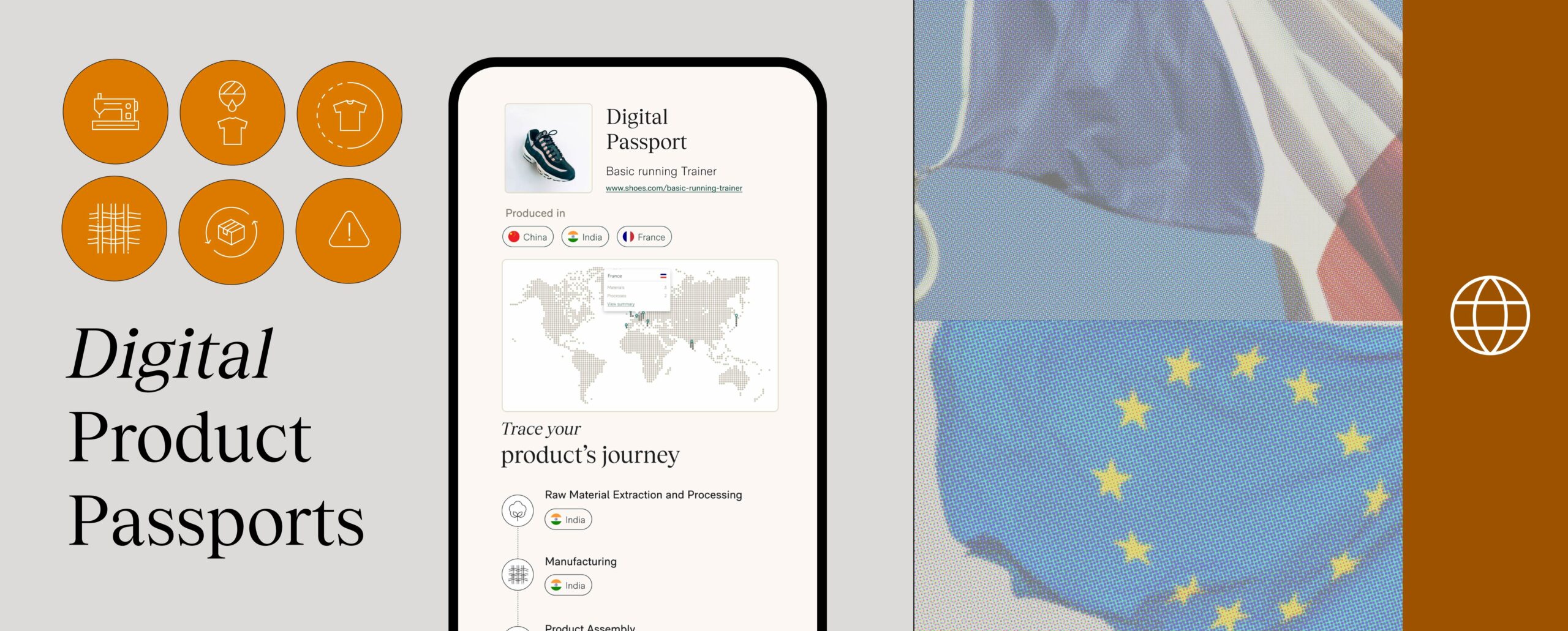
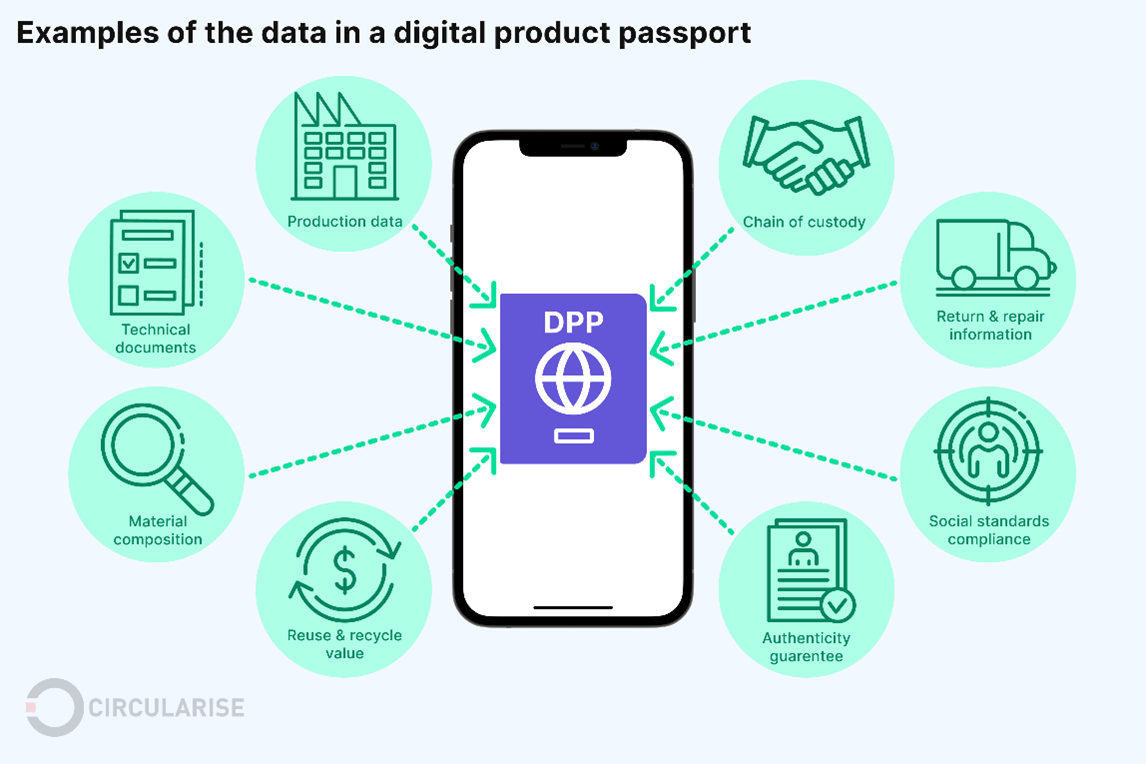
This is where Digital Product Passports (DPPs) come in, essentially a digital “ID card” for a product that tracks its entire life story. Instead of a conventional clothing label that only lists fabric and country of origin, a DPP is a rich record we can access via something like a QR code on the tag. Scan it with our phone, and we could see where the cotton was farmed, which factory stitched the seams, how much water and energy were used, and even instructions on recycling or repair.
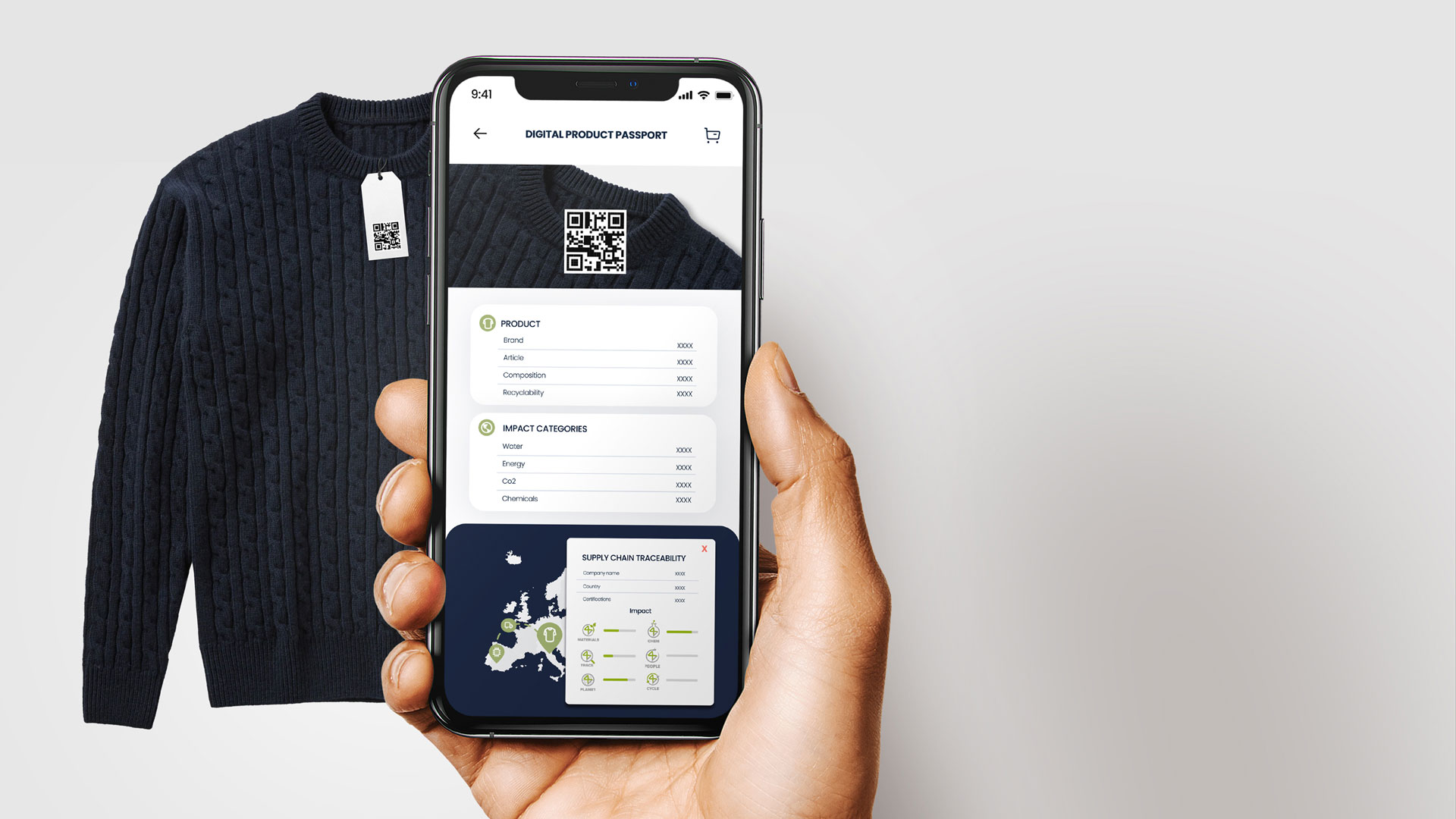
The European Union finds this idea so crucial that it’s making DPPs mandatory for all fashion and textile products sold in Europe by 2030. The goal is to make information about a garment’s supply chain and sustainability as easy to access as a nutrition label on food, something we can actually use to make informed choices.
Even before regulations kick in, some brands are racing ahead. London-based fashion brand Nobody’s Child has been an early adopter, deciding to roll out digital passports across all their products by autumn 2025. They’re tracking about 110 data points per garment, covering everything from fibre origin to the energy source powering the factory. Think about that, 110 bits of information for a single dress or pair of jeans! Their CEO described gathering this data as “like air traffic control at times”, requiring a massive mindset shift for suppliers who have never had to share so much detail before.
Flipping the Power Dynamic
What’s truly revolutionary about digital passports is how they flip the traditional flow of data in the fashion industry. Up until now, brands collected data about us to drive their sales, while we knew little about their products. Most of us have accepted that reality. I know I have, handing over my email, preferences, and purchase history to countless retailers, with no real expectation of getting that data back. DPPs turn that equation around. Suddenly we’re the ones armed with rich information, while brands must open up and share.
I imagine this power shift spawning whole new platforms and services. We might soon see crowdsourced sustainability reviews. Think of a “Yelp for ethical fashion”, where each product’s passport data feeds into public ratings of a brand’s social and environmental performance. Rather than combing through each item’s details myself, we could check a community-generated score that distills how transparent and responsible a company really is.
AI and Future Innovations
Looking further ahead, digital product passports could unlock innovations we’re only beginning to fathom. With access to a vast database of product journeys, AI systems could learn to spot patterns and red flags faster than any human. An AI could analyse thousands of DPP entries and detect anomalies that hint at labour abuses or environmental risk, say, a sudden drop in reported factory workforce or an unusual spike in water usage at a particular mill.
Imagine pairing product data with personal data. In a decade, our clothing might be tailored not just to our size, but to our biochemistry. Say, I’ve taken a DNA or skin microbiome test, those insights combined with passport data on textile properties could guide companies to craft fabrics optimised for me. Digital passports start as a transparency tool, yet they might evolve into something even more personal.
The Two-Way Data Street
One of the most intriguing developments is turning information flow into a two-way street. Imagine you buy a high-quality coat with a digital passport. Six months later, you notice wear and get it serviced. In the future, you might scan the coat’s code and log a repair request and that repair event could be added to the coat’s digital record.
This post-purchase data closes the loop in the product’s life cycle. Brands would learn that Product X typically needs new zippers after two years, or that dresses from Supplier Y’s fabric last longer than those from Supplier Z. Armed with this knowledge, brands can improve design and durability in the next generation.
From a business perspective, this paves the way for new revenue models. Think about how owning a car comes with maintenance services, warranties, trade-in values. We could see something similar in fashion. My winter boots could ping me when it’s time for resoling, just as my car signals when it needs an oil change. This could evolve into subscription programs, perhaps an annual fee that covers all repairs, cleaning, and even upgrades for my wardrobe.
Beyond Fashion: A Cultural Shift
This transparency revolution isn’t limited to big luxury labels or niche eco-brands. The EU’s forthcoming rules will apply to every garment sold in the market, from budget t-shirts to designer handbags. And once consumers get used to having this information, they’ll expect it in other industries too – electronics, furniture, even food. We’re looking at a broader rebalancing of power between customers and companies, where openness and accountability become the norm.
What excites me most is that DPPs encourage a mindset that embraces continuous improvement. When everything is out in the open, complacency is not an option. Companies will have to ask themselves tough questions and take concrete steps to fix any issues – whether environmental impact, labor conditions, or quality control.
Conclusion
Digital product passports offer a glimpse into a future where transparency isn’t a buzzword but a baseline expectation. As a consumer, I’m eager for that future because it means a simpler way to shop according to my conscience. As a business observer, I’m convinced that companies who welcome this transparency will find themselves rewarded with deeper customer loyalty, new market opportunities, and a stronger brand. This is more than a tech upgrade. It’s a transformation in how we buy, sell, and relate to the things we wear.
P.S. Book me for your next keynote, masterclass, or executive advisory!
➤ Take my LinkedIn Learning courses
➤ Get a copy of my book
-
Duolingo: A Masterclass in Designing Customer-Centric Disruption
How Duolingo reinvented education using gamification, AI, and customer psychology – and what business leaders can learn from it.
I still remember struggling through English textbooks in high school, memorising verb conjugations and vocabulary late into the night. I’d start strong, get distracted, give up. Repeat. Those formal, boring classes drained my energy. Recently, I decided to brush up on my French and tried something new: Duolingo, the most downloaded language-learning app in the world. Instead of dusty books, I found myself tapping on my phone, earning points for translating sentences about owls and apples.
It hooked me immediately.
So what changed? Why did a green owl succeed where schools failed? This made me think about how Duolingo turned language learning upside down, and what we can all learn from it.
Breaking the Education Mold
Founded by Luis von Ahn, Duolingo made learning playful, a radical shift from the rigid, costly systems he saw growing up in Guatemala. Duolingo was born from a radical question: what if quality education could be free for everyone?
“I wanted to give equal access to education to education” – Luis von Ahn
Traditional providers charged high prices and targeted only the most profitable customers. Duolingo flipped that model, offering free access through smartphones. It was simpler, widely available, and initially dismissed by companies like Rosetta Stone, who focused on enterprise clients and hefty software packages. That high-end model excluded anyone who lacked time or money. Duolingo targeted the overlooked: hobbyists, students, or anyone without access to pricey courses or tutors.
Duolingo nailed it by understanding the customers’ needs. Learners didn’t just want knowledge (functional need), they wanted motivation, simplicity, and flexibility (emotional need). Many like me download Duolingo for a clear objective: “Help me learn a language in a way that is easy, fun, and fits my daily routine.
Duolingo also recognised that in the attention economy, you’re not battling rivals in your category; you’re battling everything that steals a user’s focus: Instagram, YouTube, Netflix, etc. So the real question was: how do we make people want to come back each day? The answer wasn’t more grammar, but it was more fun.

The freemium business model helped Duolingo scale fast. By offering a fun, zero-cost way to learn, it attracted over 116 million monthly users and 40 million daily active users in 2024, most of whom never pay. But that’s the genius. Once hooked through daily streaks and gamified lessons, a portion upgrade to the paid version. As a result, at the end of 2024, Duolingo had 9.5 million paid subscribers worldwide and saw revenue soar to $748 million, up 41% from the previous year.
The Psychology of Sticky Learning
What makes Duolingo truly remarkable isn’t just its freemium business model but its understanding of human psychology. The company transformed learning from a chore into a game, leveraging gamification and creating a “sticky” environment. Behavioural scientist BJ Fogg would call them “tiny habits”, built through three clever mechanisms:
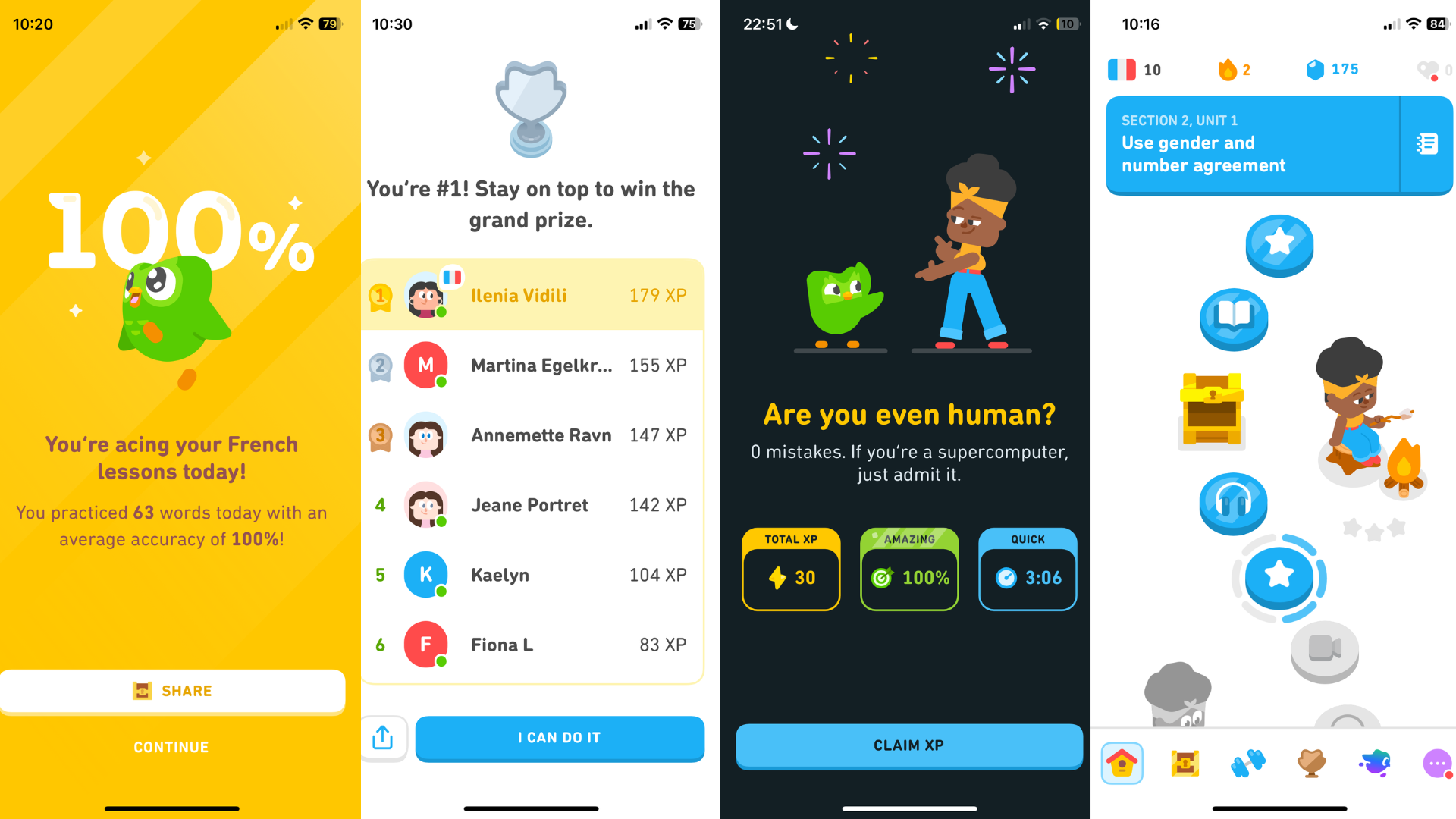
The Commitment Device: Each day, that streak counter creates what economists call a commitment device, a psychological tool that helps us stick to our goals. I’m currently on a 47-day streak, and the thought of breaking it genuinely pains me.
Micro-Learning Architecture: Each lesson feels like a 5-minute mini-game, with points, badges, and cheerful sounds rewarding your progress. This micro-learning approach meets customers where they are: in their phones, their routines, and their busy lives — at war with digital distractions. Suddenly, practicing French feels more like playing a game than studying.
Social Reinforcement: Learning a language isn’t purely about memorising words, there’s a big social and motivational component. Duolingo built a social layer into the experience, a network of forums, clubs, and live events. It recognised that people build habits more easily when they feel part of a community or friendly competition.
Streaks, micro-lessons, and social hooks aren’t just fun, they form a deliberate customer retention strategy.
The AI Revolution Behind the Scenes
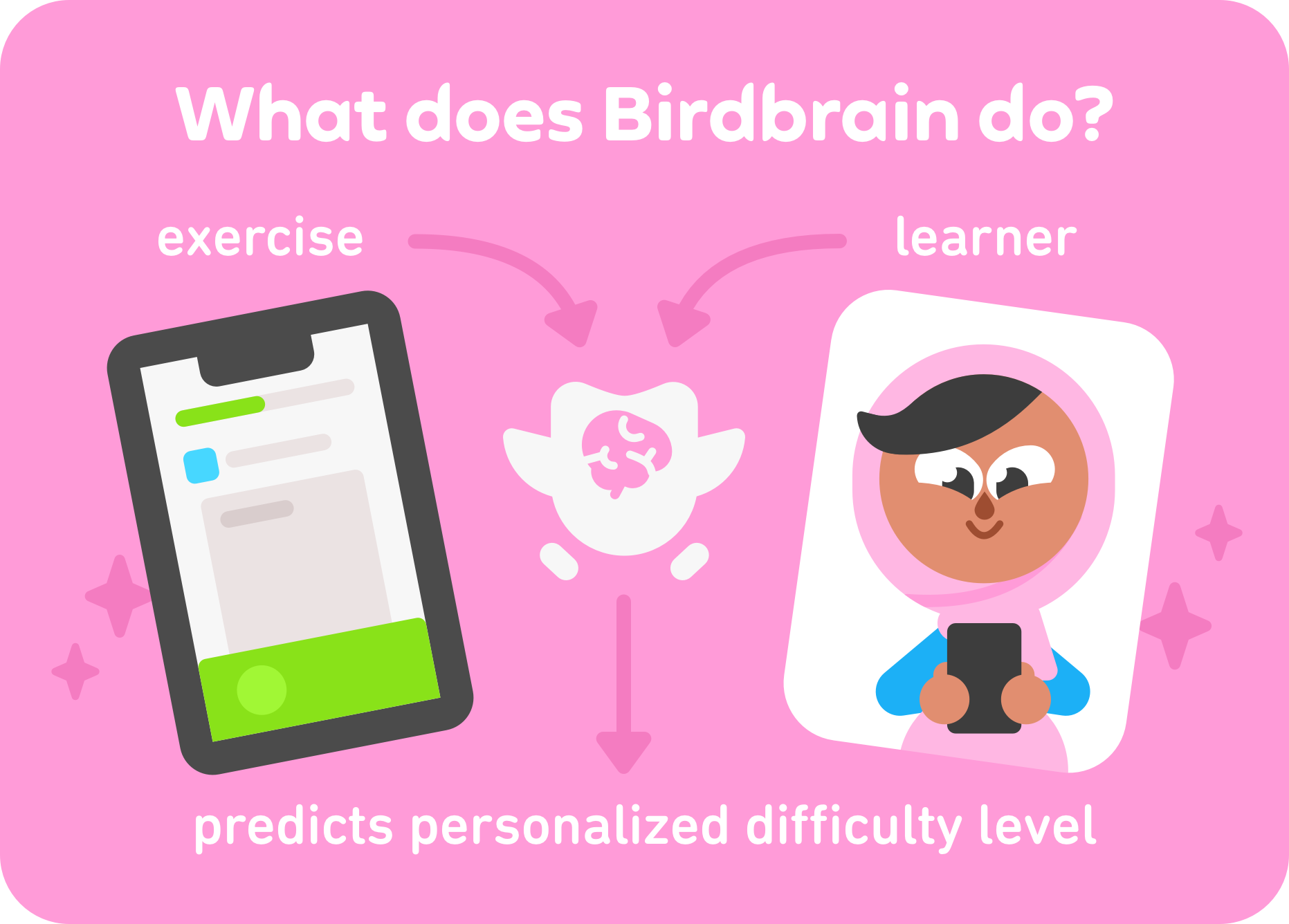
Duolingo leverages its massive user base to improve the product daily. With millions of users completing exercises every day, it has a mountain of data on what works in language learning. Duolingo AI “Birdbrain” is the engine behind my personalised learning experience. It analyses how I answer questions and predicts how likely I am to remember a word or get an exercise right. If I am breezing through a topic, the app will serve me tougher sentences; if I’m struggling, it will adjust and give me extra practice on the basics. Duolingo AI Birdbrain fine-tunes the lessons in real-time for each learner, making the experience feel almost like a personal tutor. This personalisation drives what education researcher Benjamin Bloom identified as the “2 Sigma Problem” – achieving results close to one-on-one tutoring combined with mastery of learning techniques.
The more people use Duolingo, the smarter Birdbrain gets at optimising lessons. It’s a virtuous cycle that traditional education models just can’t match. The true innovation here isn’t just using AI for education but creating an experience that feels human despite being powered by algorithms. Every congratulatory message and review session comes from data science working invisibly in the background.
Thinking Like An App
In the early years, Duolingo opened up an Incubator program that let volunteers contribute to building new language courses. Fans of Irish, Hawaiian, and Navajo joined in free to create lessons, driven by the passion to share their language. This co-creation approach meant Duolingo could offer languages that big companies wouldn’t invest in and do it at a fraction of the cost. While traditional firms hired linguists and built everything in-house, Duolingo built a community-powered ecosystem. That’s smart business: connecting those with knowledge to those who need it through tech. I explored this kind of co-creation strategy in depth in my book Journey to Centricity, where I highlight how the smartest organisations don’t just build for their customers — they build with them.
Beyond Languages
I remember how dreadful learning math was. I was never cut out for numbers. I always wished there had been a better way. Duolingo realised its “fun + effective” formula could apply to more than languages. People began asking: why can’t math or music be just as fun? In response, Duolingo began expanding into other subjects.
The same cheerful characters, bite-sized lessons, and gamified exercises are now teaching multiplication and musical notes. It saw an opportunity to become a one-stop learning platform. My 17-year-old sister struggles with math anxiety, but a gamified math app like Duolingo helps her see numbers as a game, not a threat. A language learner might plateau or finish a course, but now Duolingo can offer them a math or music course next, keeping them in the ecosystem.

By building a massive user base through free language learning, Duolingo created what business strategist Sangeet Paul Choudary calls a “platform gravity field” – where the more value a platform provides, the more naturally users stay, return, and expand their engagement.
What’s interesting is how Duolingo identifies gaps in traditional education to tackle. Take music education as an example. Duolingo noted that over 3.6 million students in the US don’t have access to music classes as private music lessons can cost a lot.
Designing for Humans, Not Just Function
At the heart of Duolingo’s triumph is a simple insight: people stick with products that make them feel good, not just those that work on paper. Traditional solutions in education, and indeed in many industries, focus on the functional need – teaching the materials and delivering a service. But they often neglect the emotional side of the experience. Duolingo showed that meeting those deeper needs is what truly drives engagement. The app makes users feel happy, confident and included. It’s no surprise users often say they find Duolingo “addictive” – it’s fun, it’s encouraging, and it fits into daily life.
If you lead a business today, this should make you pause.
Usage comes from how it feels, not just what it does. Duolingo is designed for humans with busy lives, short attention spans, and a need for joy and connection. This is a wake-up call beyond education.
Whether it’s banking, health, or retail, ask yourself: Are we only meeting the functional needs, or also the emotional needs of customers?

Rethink, Reimagine, and Relearn
My French refresher journey ended up teaching me much more than verb tenses. It taught me that any industry can be reinvented with a bit of creativity and courage. An owl on a phone screen reminded me that innovation is about reimagining experiences to delight people, not just making things more efficient or adding more features. Duolingo is a story of being customer-centric to the core: meeting learners where they are, sparking their motivation, and constantly evolving with their needs.
As I find myself checking the app several times daily to see where I sit on the leaderboard, eagerly completing lessons between meetings, or while waiting for the next flight, it makes me think: disruption happens when companies question fundamental assumptions about how things “should” work. The most dangerous phrase in business remains “we’ve always done it this way”.
Duolingo didn’t just change language learning — it rewrote the rules for earning attention, trust, and loyalty. I think the biggest question we should ask is: are we building products and services that fit into people’s lives or asking people to fit into our business?
_________
P.S. Book me for your next keynote, masterclass, or executive advisory!
➤ Take my LinkedIn Learning courses
➤ Get a copy of my book
-
From Toy Chests to Digital Quests: How Hasbro Reinvented Play
I still remember the thrill of playing with Play-Doh at the kitchen table, the squish of colours and that smell could hold my attention for hours. For many of us, childhood play was a tactile adventure, with Sunday mornings lost in toy chests and make-believe battles. Hasbro, one of the world’s oldest toymakers (over a century in business), was at the heart of these memories with classics like Mr. Potato Head and Monopoly. For decades, Hasbro’s business model barely changed: create innovative physical toys and games, ship them to retailers, and watch them fly off shelves during the holidays. But as we grew up (or refused to), and as technology seeped into every aspect of life, the rules of play began to change.
I’ve spent years studying companies that successfully navigate transformations, and Hasbro’s current evolution offers a masterclass in strategic reinvention.
Fast forward to today, and I see the transformation firsthand when I visit my nephews. The toy box has a serious competitor: the tablet and smartphone. My eight-year-old nephew can spend hours building elaborate structures in Minecraft. Kids who once spent afternoons assembling LEGO castles and dressing Barbies are now equally captivated by building digital worlds or staging battles on gaming consoles.
Children’s screen time has exploded (the average American child spends over five hours a day on digital devices), and attention once devoted to physical toys is often split with glowing screens.
This isn’t just a kid thing, either. I see it in my own behavior and that of my friends—we’re the “kidults” who have emerged as a force in the toy industry, with around 60% of Hasbro’s revenue now coming from consumers age 13 and up. Kidults are the grown-ups who never outgrew fun, fueling a boom in collectibles, high-end action figures, and nostalgic re-releases. This trend challenges conventional wisdom about audience segmentation. Rather than simply aging out of their products, Hasbro recognised they could grow by following their original customers into adulthood with products and experiences that mature alongside us.
Playing to Win in a New Era
Hasbro isn’t the first incumbent to face the Innovator’s Dilemma, but it’s doing its best not to become a victim of it. I’m impressed by how they recognised that clinging solely to plastic and cardboard could eventually turn them into a dinosaur. Consumers like me and my nephews were changing: kids wanted interactive, digital-first experiences, and adults wanted frictionless online shopping and richer engagement with the brands we loved. The choice was to embrace digital transformation or risk going the way of Toys “R” Us, which famously failed to adapt to changing consumer behavior.
Hasbro’s strategy, “Playing to Win,” isn’t about abandoning toys (far from it) but about blending the physical and digital into a seamless ecosystem of play. The company started investing heavily in video games, e-commerce, data analytics, and even emerging tech like AI to meet consumers where we are now.
Reimagining the Business Model: Directing Fans
One of the biggest shifts in Hasbro’s model has been moving closer to consumers like me. I remember how Toys “R” Us once acted as the gatekeeper between toy makers and kids—but that era is over. Hasbro Pulse, launched in the late 2010s, is the company’s direct-to-consumer (D2C) platform aimed squarely at fans and collectors. Hasbro Pulse is more than an online store, it’s a community hub where customers feel part of the brand. Through behind-the-scenes content, livestreamed events like Pulse Con, and interactive features like HasLabs, fans are invited to co-create and connect. Premium memberships offer early access and exclusives, strengthening loyalty and turning customers into an engaged, invested community.
Hasbro’s direct-to-consumer e-commerce initiative represents far more than a channel shift—it embodies a transformation from a transaction-focused to a relationship-centered business model. This echoes what I explore in my book “Journey to Centricity”, where I say that businesses must evolve from selling products to creating relationships, purpose, and community with their customers. For Hasbro, this means developing immersive spaces, both physical and digital, where enthusiasts of iconic franchises like Transformers, My Little Pony, and Dungeons & Dragons can meaningfully connect. Hasbro’s transformation shifts its role from a product seller to a true partner in play, centred on what customers genuinely care about: immersive experiences, connection, nostalgia, and the joy of play. It’s no longer asking, “What can we sell you?” but “What do we stand for together
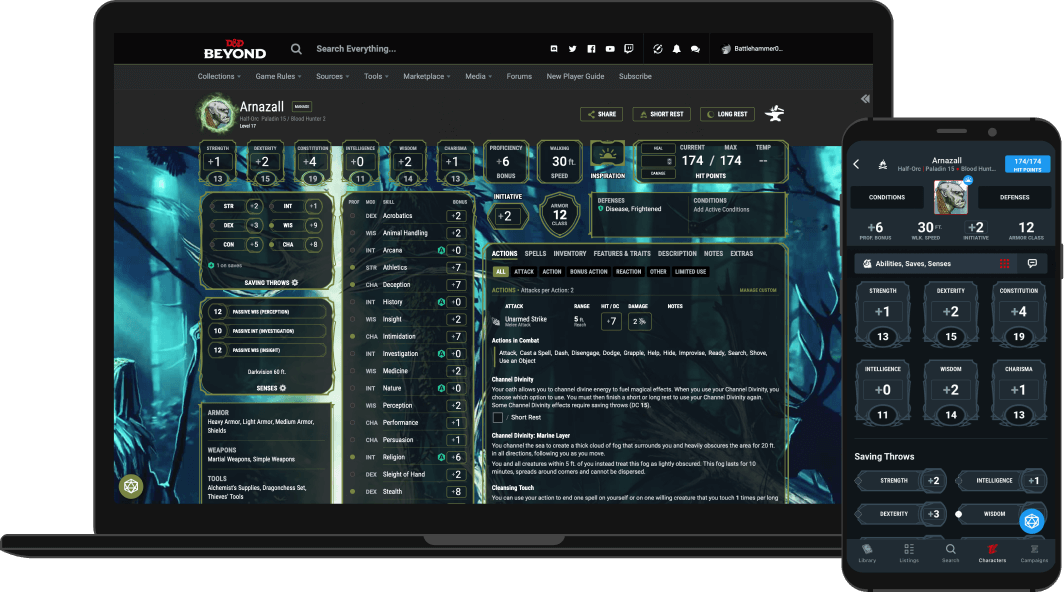
One of its biggest direct successes is D&D Beyond, a digital platform that helps fans create characters, access rules, and play Dungeons & Dragons, which now has over 18 million registered users. These moves underscore that digital transformation isn’t just about making cool apps—it’s about rethinking processes, customer interactions, and business models from top to bottom. In Hasbro’s case, that meant acknowledging that selling toys now requires software engineers, data scientists and consumer behaviouralists as much as toy designers.
On the operational side, Hasbro also knew it had to modernise. The pandemic-era surge in online shopping exposed every weak link in global supply chains, and Hasbro responded by overhauling operations. For instance, it set a goal to cut its manufacturing in China from 50% of production to below 40% by 2025, diversifying to avoid tariffs and disruptions.
Hasbro Bet Big on Digital Gaming and Content
Perhaps the most headline-grabbing aspect of Hasbro’s transformation is its push into digital gaming. Not content with being a bystander, Hasbro has actively invested in and partnered with video game makers to bring its storied brands to screens. The results in the past year have been nothing short of game-changing:
– Monopoly Go!: a mobile game created in partnership with Scopely, an entertainment and mobile-first video game company, made $3 billion in revenue in just 473 days, making it the fastest-growing mobile game on record.
– Baldur’s Gate 3: a role-playing video game based on Hasbro’s Dungeons & Dragons brand, earned millions in licensing revenue. In just five months of 2023, it brought in roughly $90 million for Hasbro.
Instead of fighting Mattel for a bigger slice of the traditional toy pie, Hasbro is charting new waters into what I call Timeless vs. Timely. Hasbro’s ‘Timeless’ products (Monopoly, Dungeons & Dragons) became ‘Timely’ by entering digital spaces where new audiences live. Mobile games like Monopoly Go and Baldur’s Gate 3 opened revenue streams from entirely new customer experiences. These digital experiences create demand rather than divide it. A Monopoly mobile game, for example, isn’t stealing customers from the board game, it’s engaging lapsed players like me and new demographics who might never buy the board version.

Beyond games, Hasbro has also retooled its approach to entertainment. Owning brands like Transformers and My Little Pony means that Hasbro could build movies, shows, and streaming content. This multiplatform loop keeps franchises relevant as films boost toy sales, toys fuel game interest, and games inspire new stories across media. I’ve witnessed this firsthand: after watching the latest Transformers movie with my nephew, we ended up both downloading a related mobile game and purchasing action figures.
By altering the boundaries of what a “toy company” offers, Hasbro is making competitors less relevant. When you’re competing for app downloads and playtime, your adversaries are now mobile gaming giants and entertainment apps, but in that realm, Hasbro holds powerful IP cards. It’s turning its brands into lifestyle franchises that span physical and digital, effectively creating hybrid play experiences that resonate with consumers like me and my nephew alike.
Why Standing Still Is Not an Option
Who would have thought that a 100-year-old company known for Play-Doh would find itself thriving on the success of computer games and entertainment space?
By pivoting from a product-centric to an fan-centric mindset, Hasbro expanded the definition of its business. It’s no longer just a toy company; it’s an entertainment and experience company that meets consumers on their terms—whether that’s a Saturday game night around a table with my friends or a few quick rounds on my smartphone during a commute.
The transformation required significant investment, cultural change, and even some missteps along the way. But Hasbro’s journey demonstrates that the cost of inaction would have been far greater. In a world where my nephew might unbox a new toy and immediately look for a QR code to scan for an online game, or where I might binge a Netflix show and then order the related board game on my phone, companies must meet customers in these fluid ways of engagement.
Rethink, Reinvent, and Play to Win
Hasbro’s strategy aims to expand their audience from 500 million to over 750 million by 2027, a growth trajectory impossible through traditional toy sales alone. In the end, Hasbro’s story is as much about leadership and mindset as it is about toys and tech. They chose to see change as an opportunity, not a threat, and to act while the company was still on solid footing. The result: a Hasbro that’s poised to delight the next generation of fans on whatever platform those fans prefer.
I believe the companies that will thrive in the coming decade are those most willing to question their fundamental assumptions about their business.
How might your company deliver its value in radically different ways?
– Are you defining your business by the products you make or the human needs you serve?
– Are you still treating digital strategy as a side project, or is it woven into every facet of your business model?____
P.S. Book me for your next keynote, masterclass, or executive advisory!
-
Estée Lauder’s Downfall Wasn’t Inevitable—It Was a $100 Billion Bet On Resisting Change
What if I told you that luxury brands don’t die from competition, but from resistance to change?
Over the past three years Estée Lauder—a titan of the global beauty industry—has lost $100 billion in market value, watched its stock plummet 78% from its 2022 peak, and seen earnings collapse by 60%.
This is not a fairytale, it’s reality!
For 77 years, this brand thought it was untouchable. Its iconic products commanded loyalty from affluent, older shoppers. Its expansion into China once characterised visionary ambition, but beneath the glossy surface, cracks formed. The company stuck to outdated retail models, underestimated Gen Z’s massive impact, and hesitated to embrace digital transformation.
The result? You risk alienating both your core customers and the next generation of buyers.
Alienation happens when brands mistake loyalty for inertia.Estée Lauder assumed long-term customers would stay out of habit rather than genuine connection. But today, loyalty isn’t passive—it’s earned. Customers stay when brands offer digital convenience, frictionless experiences and champion their values. Ignore that, and loyalty evaporates.
In today’s luxury market, survival demands balancing heritage with agility, prestige with accessibility, and tradition with radical reinvention. Estée Lauder’s story is a stark lesson for leaders: Even legacy giants crumble when they ignore shifting customer expectations and technological evolution. That’s where my 4 R’s of Brand Longevity framework comes in. If you want to build a brand that lasts, you need to:
– Retain your loyal customers by evolving with them, without assuming.
– Reinvent your brand to stay modern, without erasing what made it great.
– Reach new consumers through digital, global, and cultural shifts, without being stuck.
– Resonate with customers on an emotional level, tapping into their values and beliefs.Guess what? Estée Lauder struggled with all four. Let’s break down where they went wrong and what we can all learn from their missteps.

Erosion of the Older Customer Base
For decades, Estée Lauder relied on department stores like Macy’s and Nordstrom. But department store sales declined significantly over the past two decades, while online beauty sales have grown to $60.43 billion in 2023. This underscores the importance of Reach: brands like L’Oréal adapted early, investing in seamless online shopping, while Estée Lauder hesitated, fearing a loss of prestige. By the time it finally joined Amazon in 2024, competitors had already secured loyal online customers.
Older and loyal customers might stick to the brand but not to the same products forever. They too want new and improved options, especially for anti-aging solutions. This highlights the critical need to Retain: La Roche-Posay innovated with dermatologist-backed peptides and ceramides, while Estée Lauder stuck to its legacy formulas. As a result, it risked losing relevance among the very consumers who once made it an industry leader.
Why does this matter? Older shoppers aren’t just buying anti-aging creams, they want products backed by science as science beats nostalgia every time.
Failing to Connect with Younger Consumers
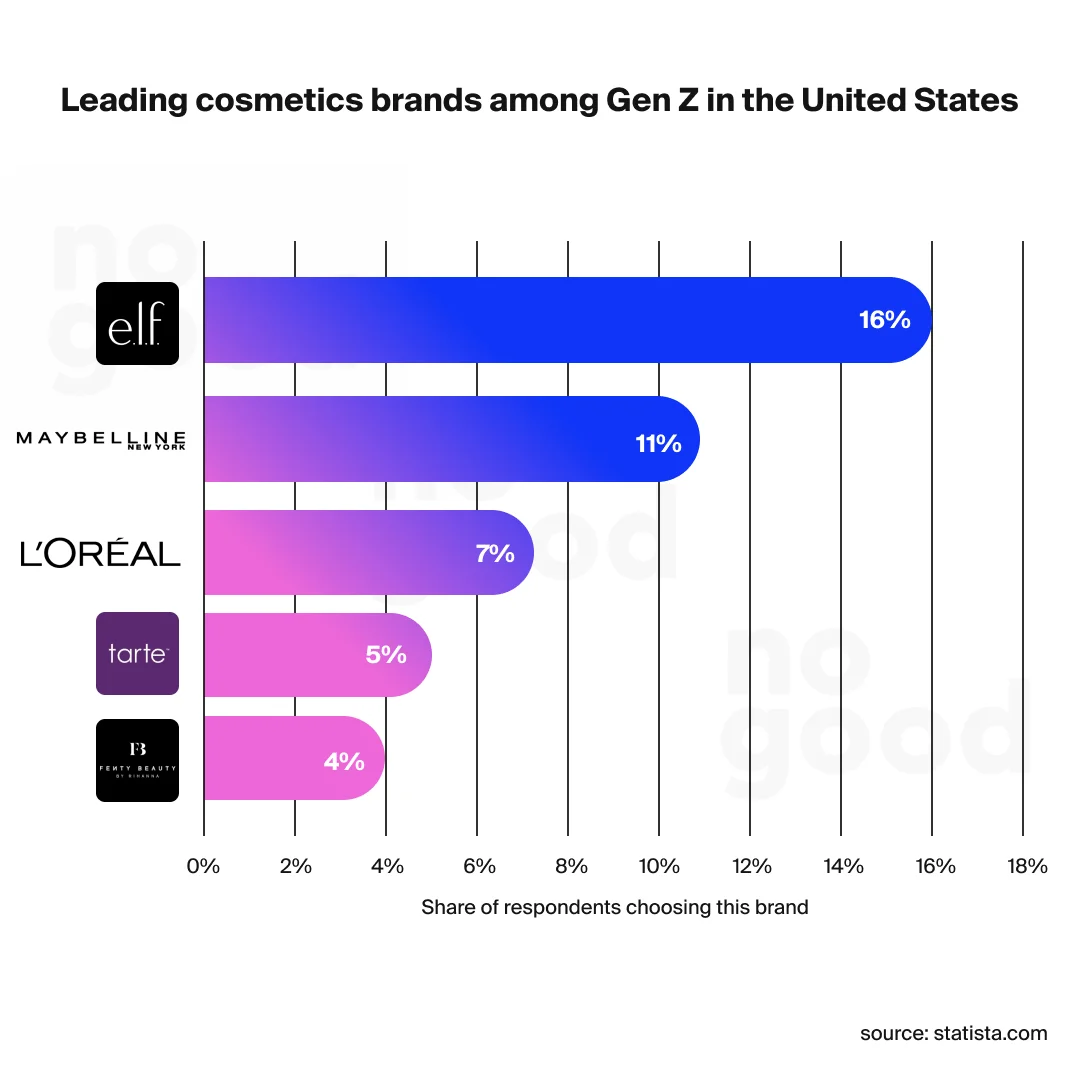
A 2023 Statista survey found that 83% of Gen Z women purchased beauty products online based on TikTok creator recommendations. This is about social proof, a psychological driver where people mimic others’ choices to reduce uncertainty. Brands like e.l.f. Cosmetics understood this shift, achieving over 1 billion TikTok views through viral, influencer-driven campaigns—even crowdsourcing product ideas from users and responding to comments in real-time. To Reach Gen Z, brands must speak their language literally and figuratively.
Trinny Woodall, Founder & CEO of Trinny London, put it best: “How can you, as a brand, make people feel so emotionally connected that they feel full of life?… That’s what I wanted to deliver for women.”
In contrast, Estée Lauder clung to traditional advertising and department store partnerships, posting polished campaigns with generic captions like “Timeless Beauty”—a stark disconnect for a generation that craves authenticity, not perfection. Yet Estée Lauder hesitated to adapt to the influencer-led, community-driven beauty movement, fearing disruption to its prestigious business. As I argue in “Journey to Centricity”, loyalty today hinges on aligning with consumer behaviors, values, and co-creation. Take Rihanna’s Fenty Beauty: it redefined luxury for Gen Z by flooding social media with unretouched models flaunting acne, vitiligo, and diverse body types—a direct rebuke of Estée Lauder’s airbrushed ‘perfection.’ Fenty proved that true Reach means meeting customers where they are, leveraging Henri Tajfel’s Social Identity Theory, which suggests that people align with brands that reinforce their sense of belonging to a group.
Today’s younger consumers gravitate toward brands that champion inclusivity, sustainability, and transparency. This stagnation exemplifies the cost of neglecting to Reinvent and Resonate: Selena Gomez’s Rare Beauty promoted mental health awareness, a mission that resonated with Gen Z’s prioritisation of wellness. Resonating means making your brand part of culture, not just chasing trends. Estée Lauder, however, stuck to its old marketing style, which felt too polished, distant, and disconnected from diverse identities.
It also overlooked the ‘skintellectual’ movement, which prizes ingredient literacy (e.g., hyaluronic acid, retinoids). Ironically, despite acquiring Deciem, the parent company of The Ordinary, in 2021, it failed to leverage its science-forward, affordable ethos to attract younger shoppers.
Today’s younger consumers gravitate toward brands that champion inclusivity, sustainability, and transparency. This stagnation exemplifies the cost of neglecting to Reinvent and Resonate: Selena Gomez’s Rare Beauty promoted mental health awareness, a mission that resonated with Gen Z’s prioritisation of wellness. Resonating means making your brand part of culture, not just chasing trends. Estée Lauder, however, stuck to its old marketing style, which felt too polished, distant, and disconnected from diverse identities.
It also overlooked the ‘skintellectual’ movement, which prizes ingredient literacy (e.g., hyaluronic acid, retinoids). Ironically, despite acquiring Deciem, the parent company of The Ordinary, in 2021, it failed to leverage its science-forward, affordable ethos to attract younger shoppers.
Digital Hesitation = Lost Customers
Legacy brands often suffer from the ‘Success Trap Syndrome’: doubling down on what worked in the past, even as markets shift. Estée Lauder’s fear of ‘cheapening’ its brand by embracing Amazon mirrors Blockbuster’s dismissal of streaming.
Are you protecting your brand’s legacy, or are you unknowingly trapping it in the past?
Hesitation was a failure to recognise that delaying digital adoption alienates both older and younger shoppers. This hesitation reveals a refusal to Reinvent: Luxury titan, Christian Dior Couture’s AR try-ons redefined prestige through highly-personalised digital experiences. The paradox—believing heritage could thrive without innovation—left Estée Lauder lagging in direct-to-consumer (DTC) strategies, with websites that lacked personalisation and seamless customer experience.
Estée Lauder’s failure to adapt wasn’t limited to the U.S. market—it also cost the brand in China, where livestreaming drives 25% of all online shopping sales (by gross merchandise value) and has become indispensable for luxury brands competing in the region. While L’Oréal tapped into China’s influencer-driven culture by collaborating with top creators on Douyin, the Chinese version of TikTok, with 600 million daily active users, Estée Lauder relied on global campaigns that lacked localised appeal, failing to resonate in China’s market.
The result? Older shoppers abandoned the brand for digitally savvy rivals offering convenience, and Gen Z dismissed it as irrelevant.

Today, luxury isn’t about where you sell—it’s about how you connect to generations who demand both prestige and agility.
A Path to Rebirth?
Estée Lauder’s downfall wasn’t inevitable—it was a choice. The brand had every opportunity to evolve but instead clung to outdated playbooks. Yet legacy shouldn’t be a liability and heritage can coexist with innovation. The uncomfortable truth is that most legacy brands will face the same crossroads. Without urgent, radical change, they risk becoming relics of the past. The challenge isn’t just about keeping older shoppers loyal but also about embracing digital agility and adapting to younger consumers’ expectations.
If you want your brand to thrive, the path to rebirth lies in the 4 R’s: Retain by evolving with customers, Reinvent by treating heritage as a catalyst, Reach by mastering digital fluency, and Resonate by championing values that mirror your audience.
What’s stopping your company from being the next Estée Lauder?
P.S. Book me for your next keynote, masterclass, or executive advisory!
➤ Take my LinkedIn Learning courses
➤ Get a copy of my book -
The CEO-as-Brand Era: How Leadership Ego is Fuelling Tesla’s Meltdown
Tesla’s crisis isn’t just about sales figures. It’s about what happens when a company becomes inseparable from its CEO’s identity. Once the world’s most valuable car brand, Tesla is now facing a self-inflicted trust crisis. It isn’t being crushed by its competition but by its leadership.
I recently wrote about Tesla’s drop in sales in a short Facebook post that went viral, sparking thousands of reactions and hundreds of heated comments from people across the world. The sheer intensity of the debate showed just how polarising Tesla has become. As someone who studies consumer behaviour and customer trust, I’ve seen how great brands rise—and how they fall when trust is eroded.
It made me think—how did it get here? Tesla stood for innovation, sustainability, and the future of mobility. It was a movement. But when a brand is built on ideals, those ideals must be maintained. The moment customers feel those values are compromised, trust collapses.
Competition is playing a role, of course, but this is about something deeper: trust, reputation, and the dangers of turning a CEO into a brand.The CEO-as-Brand Trap
In today’s world, CEOs aren’t just leaders—they are the brand. Their words, decisions, and public presence define how customers perceive the company. This isn’t new. Henry Ford and Walt Disney had a similar influence. The difference? Their impact was rooted in legacy, not real-time social media influence.
Elon Musk took a different approach. He turned Twitter (now X) into his personal stage, merging Tesla’s identity with his own. It worked for a while. His bold ideas, risk-taking, and unfiltered style made Tesla feel revolutionary. Then, things changed. Controversies started piling up. Instead of strengthening the brand, Musk’s actions became a risk factor.
The backlash Tesla faces now is similar to what Disney experienced when it clashed with Florida lawmakers over the ‘Don’t Say Gay’ bill. But there’s a crucial distinction: Disney’s activism was built around its brand values. Tesla’s backlash isn’t because of a stance—it’s because Musk’s unpredictability has become the stance.
I wrote about brands like Nike, Patagonia, and Ben & Jerry’s taking a stand on social issues in my book Journey to Centricity. Of course, these brands faced backlash and may have alienated some customers, but they gained loyalty from others. The problem is that Musk’s engagement isn’t about corporate values, it’s about personal ideology. And that’s where things get complicated. The real problem here isn’t Musk’s politics (maybe) but his inescapable link to Tesla’s brand.
Business leaders must ask themselves: is my personal brand enhancing the company, or is it distracting from it? The moment customers feel the CEO’s personality outweighs the company’s mission, the brand enters dangerous territory.
The Reputation Crash
The brand that once symbolised progress, sustainability, and the future now appears unpredictable. Customers are taking notice and looking elsewhere.
Let’s break it down.
Musk’s acquisition of Twitter (X) turned away a significant part of Tesla’s audience. Ofcom reported that the UK usership of X has fallen by 4 million since Musk’s takeover.
Many progressive, environmentally conscious customers once saw Tesla as a company that represented the future. Now, Musk’s public feuds, anti-EU stance, and endorsements of far-right figures, including Germany’s nationalist AfD party, have positioned Tesla as a brand at odds with many of its original buyers. European consumers are thoughtful in their choices. They don’t just purchase a product. They invest in what the brand stands for.
Many now feel that Tesla no longer aligns with their values.
That said, Musk’s shift to the right could have an unintended effect, that of expanding the EV market to previously skeptical conservative buyers. His political stance may help “detoxify” electric cars for MAGA enthusiasts.
Tesla’s story proves that tying a company’s identity too closely to one leader can be a double-edged sword. If the CEO falters, the brand suffers.
Losing Loyal Customers
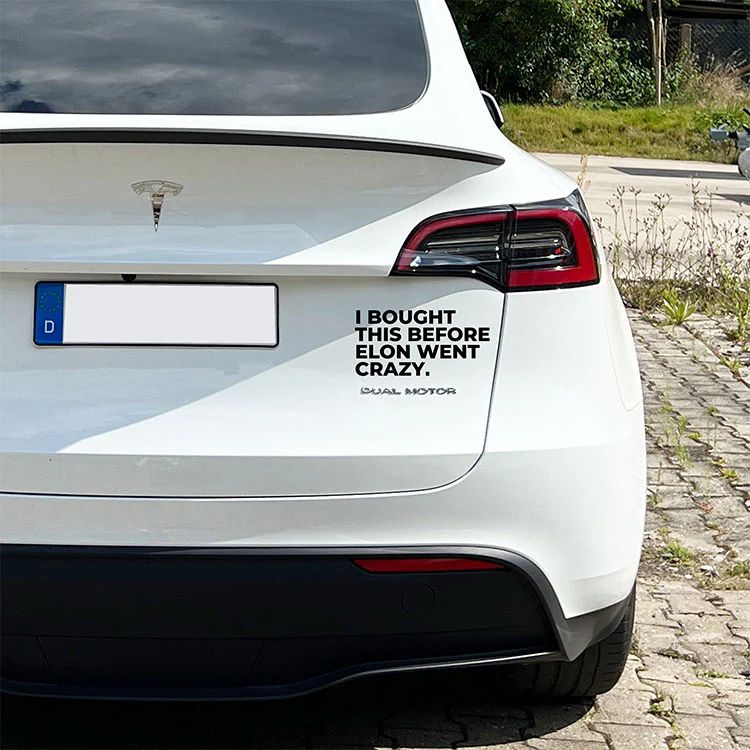
When people start labeling your vehicles as “swasticars,” your brand might have an image issue. Some Tesla drivers now display stickers on their cars that read, “I bought this car before Elon went crazy.” Even Tesla employees are looking for ways to separate themselves from Musk’s influence.
Tesla’s shift isn’t just about sales, but it’s becoming part of a broader cultural reaction.
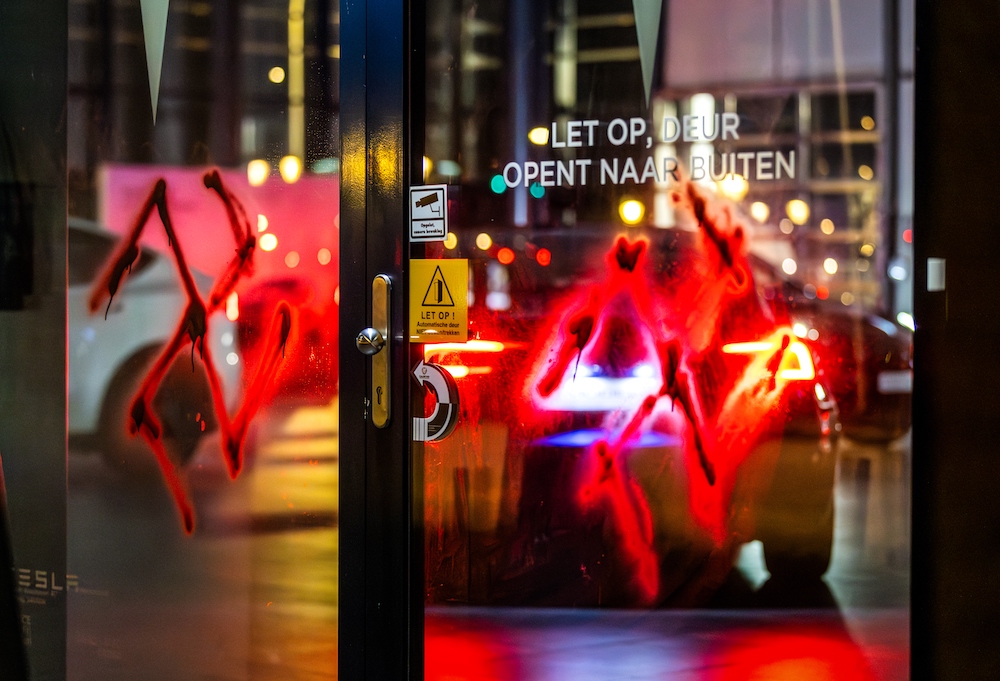
– In The Hague, protesters spray-painted anti-fascist slogans on a Tesla showroom.
– In Gothenburg, Sweden, four Tesla vehicles were set on fire.
– In London, the group “Everyone Hates Elon” has been running anti-Tesla campaigns.The company has become a symbol of division, and as the EV market becomes more crowded, that’s a major liability. Tesla is experiencing the Horn Effect, a psychological bias where one negative trait or association overshadows everything else. Just as the Halo Effect makes people view a brand more favourably because of a positive impression, the Horn Effect does the opposite, distorting perceptions through a negative lens.
Musk’s polarising actions are no longer just his own, they are Tesla’s.
Is This the Fall of an EV Giant?
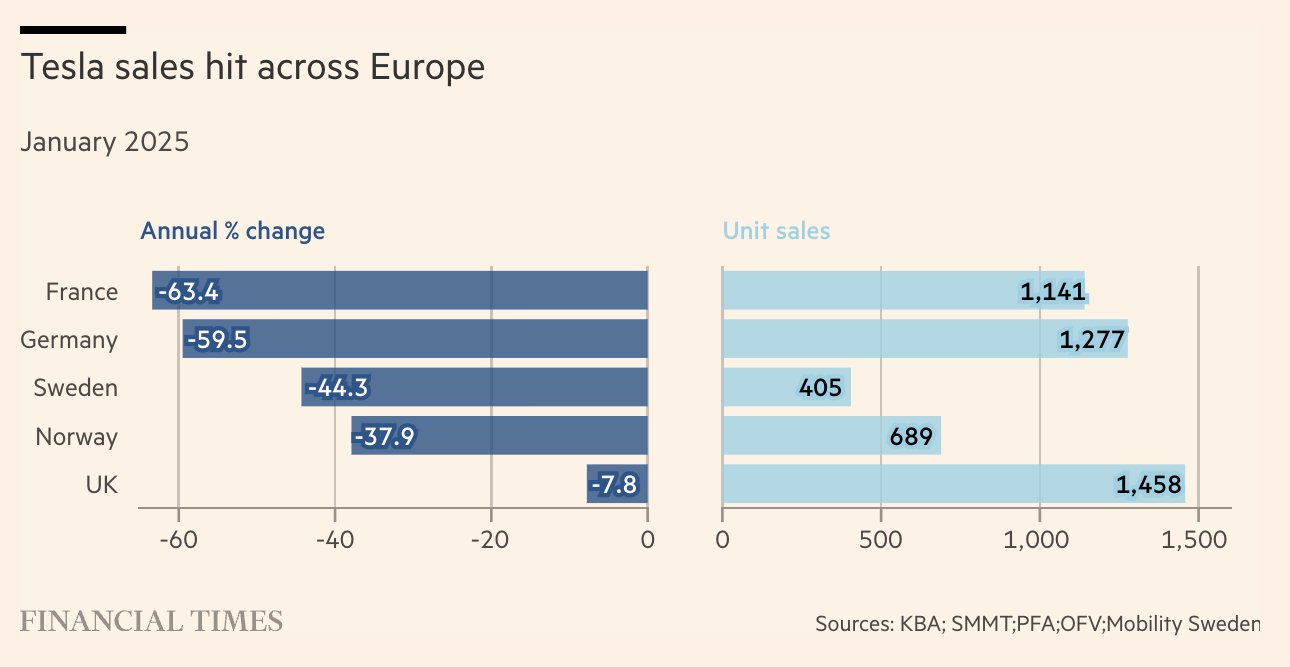
While EV adoption is rising across Europe, Tesla’s annual sales in Europe declined: Spain: -75.4% | Germany: -59.5% | France: -63.4% | Sweden: -44.3% | Norway: -37.9%
The issue isn’t just competition—it’s trust: Musk’s erratic leadership, political alliances, and unpredictable decisions have tainted Tesla’s brand. This is what happens when a CEO’s persona overshadows the company itself.
The data supports this shift:
Brand Finance reports that Tesla’s brand value has dropped 26% in a year. It fell from $58.3 billion in early 2024 to $43 billion in early 2025. That’s a $15 billion decline.
Meanwhile the Competition…
Tesla’s lineup is aging. With no new models in Europe since the Model Y in 2021, its offerings now lag behind fresher, more competitive alternatives. Meanwhile, rivals are surging ahead. Volkswagen and BMW lead in premium EV sales, while Chinese brands like BYD are aggressively expanding with advanced, cost-effective models. BYD’s integration of DeepSeek AI into its vehicles gives it a major edge in China, further widening the gap.
Polestar, the Swedish EV brand, is capitalising on Tesla’s decline, actively courting disillusioned Tesla owners. CEO Michael Lohscheller recently confirmed a surge in interest from former Tesla customers, noting, “A lot of people have very, very negative sentiment.”
Back in 2021, when I interviewed Polestar’s former CMO, it was clear the company wasn’t just building cars but crafting an experience. Polestar had already invested heavily in high-tech innovation, refined customer service, and premium brand identity—all areas where Tesla is now faltering.
Tesla’s Trust Deficit
The Trust Deficit is real here. It’s a concept that I covered in my LinkedIn Learning course.
Every company operates with a “trust” bank account. When customers first engage with a brand, they begin with a balance of trust. Every positive experience, reliable product, and fulfilled promise adds to that account. When customers experience quality issues, poor service, or erratic leadership, they make withdrawals from that account. When withdrawals outpace deposits, trust runs low. Tesla once had a strong trust balance. Now, the company is at risk of exhausting that goodwill.
– Production inconsistencies have frustrated customers in markets that expect precision.
– Repeated price adjustments have led to dissatisfaction and lower resale values.
– Mass layoffs in Europe have raised concerns about stability.
– Activism backlash and erratic behaviourAs Bill Gates bluntly put it, Musk’s involvement in global politics was “insane shit.”
Tesla’s trust erosion isn’t an isolated incident. It follows a well-documented pattern in business psychology: when corporate leaders create uncertainty, consumer confidence declines.
Can Tesla Fix This Mess?
Customers need reasons to stay with Tesla rather than switch to a competitor.
1. Distancing Tesla from Musk’s Personal Brand
Tesla must establish a distinct corporate identity, but this is easier said than done. Musk’s 13% stake and his grip on a historically compliant board mean any rebranding effort would require his approval, a paradox for a company needing to escape his shadow. Until governance shifts, even a new CEO would struggle to redefine Tesla’s narrative.
2. Control the Narrative
Tesla needs to define its core values beyond Musk’s personal ideology. Patagonia and Nike waded into activism with a clear, long-term strategy aligned with their brand values. Tesla, by contrast, is being pulled into ideological battles that do not align with its original mission. The lesson? Don’t let your company get dragged into controversy without purpose. If you take a stand, make sure it aligns with your long-term brand identity. Otherwise, you risk alienating customers with no meaningful upside.
3. Rebuilding Trust Through Actions
To win back confidence, Tesla must shift the focus back to innovation, customer experience, and redefining the brand beyond Musk. That means establishing a stronger corporate voice. Customers don’t just want promises—they want proof. Past successes won’t protect you from market shifts. If you stop innovating, customers will find someone who hasn’t. The easiest way to lose trust is to overpromise and underdeliver. The fastest way to rebuild it is through tangible action.
The Bottom Line
The competition is heating up. Consumer preferences are shifting. Tesla’s greatest asset—its brand—has turned into its biggest liability. No brand is immune to trust erosion. A CEO’s reputation influences business outcomes. For years, Musk positioned Tesla as the car of the future. But Tesla’s future may look a lot like just another automaker, struggling to stand out. In the CEO-as-brand era, leadership decisions shape market success. Strong personal branding can elevate a company, though a mismanaged identity can create lasting setbacks.
What do you think?
▶︎ Could Musk’s persona still benefit Tesla in certain markets or has the cult of personality burned too many bridges to rebuild?
-

How to Reduce Tech-Related Stress for Customers and Employees
This article was originally published on Entrepreneur Europe.
The excitement to adopt the smartest interface is pushing businesses to lose their focus on two important things: employees and customers. Your ability to become a successful company of the future depends on developing a cultural mindset that is focused on creating value for the people inside and outside the organization. The myth that technology drives digital transformation has been an ongoing fairy tale because while technology is an important factor, there is another element to the equation that creates a strong dependency on the first — the people.
Technology in most ways has a positive effect on business operations, especially in the automation of admin processes that come with communication with customers. While artificial intelligence is getting to know your customers by analyzing their wants and needs, it also means collecting huge amounts of customer insights…
Read the full article here.
To know more about customer-centricity register for the release of my book “Journey to Centricity“
-

How is a new electric automotive brand keeping ahead of the curve? A successful customer experience example by Polestar
This article was originally published on CEOWORLD magazine.
While tech giants such as Airbnb, Amazon, and Uber keep raising the bar on successfully delivering their customer experience, the automotive industry has been lagging behind due to its resistance to adapt to the digital consumer. The automotive sector of the future can be very different from that of the past and of today. Those car brands that are eager to remain relevant to the digital consumer are going to be able to make the next age of mobility.
As a Millennial, in 36 years of my life, I think I entered a car dealership only once. How are car brands interacting with consumers like me who expect nothing less than a reliable and hassle-free service, personalised omni-channel communication, a fully digital experience and real-time social-media interactions? As I am currently writing my book on customer-centricity, I am interested to know how Polestar, a Swedish new electric car brand owned by Volvo, is doing in this regard. Tim Heldmann, Chief Marketing Officer, shared how Polestar is putting their customers at the centre of their business strategy and enhancing customer experience through connectivity.
To know more customer-centric case studies register for the release of my book “Journey to Centricity“ -

Consumer Expectation change during COVID and beyond #2: Too much noise
Customer expectation change #2 touches upon two important customer experience dimensions: Empathy and Trust. Empathy and trust have always been top of mind for customer experience (CX) professionals but during and after the pandemic became critical. It is vital to humanise each action and conversation to build relationships with every customer.
We have been talking about short attention spans for a few years and that as a business we should deliver more personalised, authentic and appealing messages. During COVID people have been bombarded with a huge amount of statistics and information that they are trying to understand and digest. Consumer focus has been shifted towards brands that can reassure them and maybe have fun in difficult times like this one. Many companies are currently experiencing a massive decline in revenue and this will be the case for the next few months, while it might make sense to invest time and resources trying to gain some of that revenue back it is definitely not the time to sell products and services. Your long-term investment right now shouldn’t be in advertising to push your products and services but actually investing in your trust and in your reputation which doesn’t come from traditional marketing activities.
In my previous article, I mentioned that Stéphane Garelli, Professor Emeritus of World Competitiveness at IMD and Professor at the University of Lausanne stated that this crisis is going to last 18 to 24 months. This means that not only businesses will be struggling but also consumers, who have lost loved ones, jobs and businesses are worried, stressed and anxious. You need to really figure out a way to add value to them in ways that will help you build a stronger relationship with them. A couple of weeks ago I came across a TED talk by women’s right activist Yifat Susskind who said a phrase that I love
“In uncertain times, think like a mother. When you think like a mother, you prioritize the needs of the many, not the whims of the few”.
I often talk about the power of strong customer trust as the cornerstone of all great relationships. It is what binds together what we do: our expectations, our relationships and actions. This is the time that allows you to build strong ties with your customers by becoming a partner in their lives. In research conducted by Eldeman during the COVID-19 pandemic it was found that 71% of customers say that if they perceive that a brand is putting profit over people, they will lose trust in that brand forever.
What does this mean for your customer experience?
- Are you anticipating the needs of your customers? Understand your customers’ mindset and take steps to meet their needs before they even express them to you. It doesn’t have to be products and services that they may have in mind but simply proactively anticipating any concerns. It might be about time to map out your customer journey and brainstorm what worries and questions your customers might have before they write to you or pick up the phone to reach out to you. Some common questions may be: Can I still buy from you? Will my delivery be delayed? A nice touch could be to send an email to your customer base with a few of the frequent questions and answers showing that you are proactively anticipating their needs.
- Reorient your customer-experience efforts to meet your customers’ primary needs, such as safety, security, and everyday convenience to add value to customer’s lives. This also means delivering on your promise. For example, if you are actively promising safety measures you are building on trust when safety is part of the customer experience. Your customers right now are asking a very simple question: “Can you keep me safe?”. During COVID and beyond safety and cleanliness is a huge part of your customers’ life and if they spot that you are not living up to your “safety” promise they will share their experience as a big warning for others.
- Say it with empathy and reassurance! This is critical in your customer experience at any time and at any point of your customer journey. Reassurance helps your customers relieve stress and anxiety and help them feel more confident in your brand. People’s main assets have been affected, their wealth and their health. Whether a customer is purchasing from you or just registering to one of the thousands of webinars out there, make sure you reassure them with the next step, they wouldn’t like to figure out what they need to do next. Many automatic emails are great as a technical and functional step but lack emotional depth.
- Run an end to end cx audit and adjust it accordingly to inject trust and empathy into your customer experience strategy. Actions like buy now and pay later, help communities or even be more transparent with your customers and let them know exactly what is happening in your business and most importantly communicate with them about their relationship with your brand. Sharing with them the challenges that you and your team are facing is appreciated by them and keeps them part of the process. Building trust with empathy and transparency is what eBay has been communicating in their response to COVID-19 page.
More consumer expectation changes in the next article. If you missed my latest customer experience webinar: “Adapting Customer Experience in times of COVID and beyond” you can watch the replay by registering your interest here.
