
From Toy Chests to Digital Quests: How Hasbro Reinvented Play
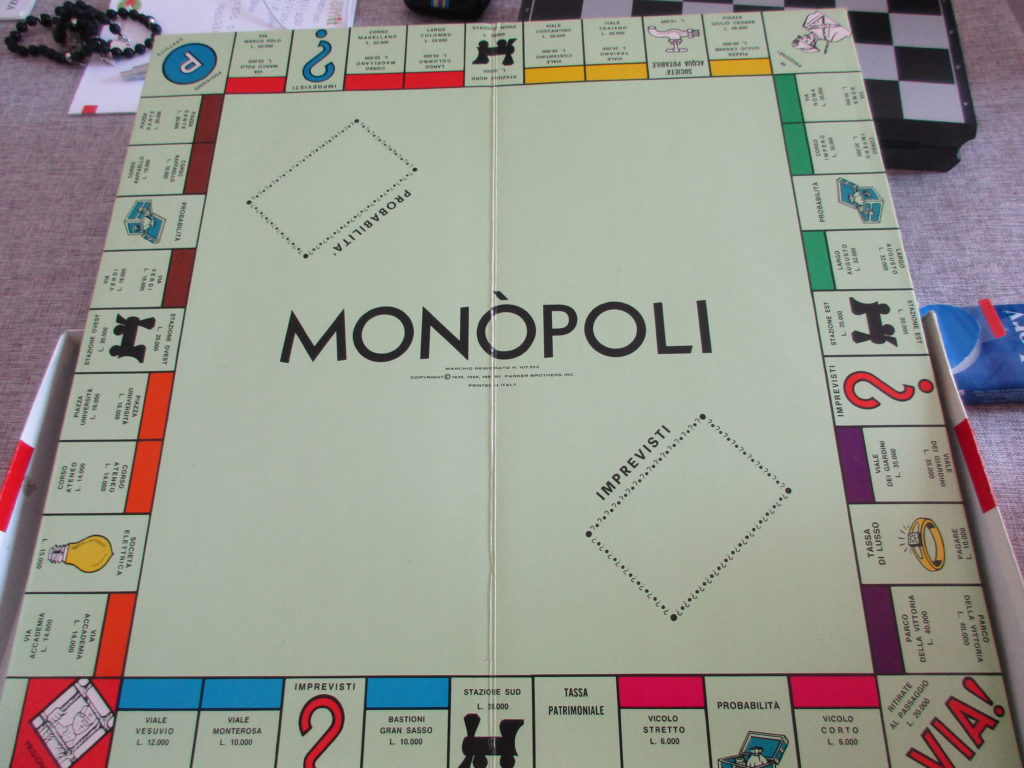
I still remember the thrill of playing with Play-Doh at the kitchen table, the squish of colours and that smell could hold my attention for hours. For many of us, childhood play was a tactile adventure, with Sunday mornings lost in toy chests and make-believe battles. Hasbro, one of the world’s oldest toymakers (over a century in business), was at the heart of these memories with classics like Mr. Potato Head and Monopoly. For decades, Hasbro’s business model barely changed: create innovative physical toys and games, ship them to retailers, and watch them fly off shelves during the holidays. But as we grew up (or refused to), and as technology seeped into every aspect of life, the rules of play began to change.
I’ve spent years studying companies that successfully navigate transformations, and Hasbro’s current evolution offers a masterclass in strategic reinvention.
Fast forward to today, and I see the transformation firsthand when I visit my nephews. The toy box has a serious competitor: the tablet and smartphone. My eight-year-old nephew can spend hours building elaborate structures in Minecraft. Kids who once spent afternoons assembling LEGO castles and dressing Barbies are now equally captivated by building digital worlds or staging battles on gaming consoles.
Children’s screen time has exploded (the average American child spends over five hours a day on digital devices), and attention once devoted to physical toys is often split with glowing screens.
This isn’t just a kid thing, either. I see it in my own behavior and that of my friends—we’re the “kidults” who have emerged as a force in the toy industry, with around 60% of Hasbro’s revenue now coming from consumers age 13 and up. Kidults are the grown-ups who never outgrew fun, fueling a boom in collectibles, high-end action figures, and nostalgic re-releases. This trend challenges conventional wisdom about audience segmentation. Rather than simply aging out of their products, Hasbro recognised they could grow by following their original customers into adulthood with products and experiences that mature alongside us.
Playing to Win in a New Era
Hasbro isn’t the first incumbent to face the Innovator’s Dilemma, but it’s doing its best not to become a victim of it. I’m impressed by how they recognised that clinging solely to plastic and cardboard could eventually turn them into a dinosaur. Consumers like me and my nephews were changing: kids wanted interactive, digital-first experiences, and adults wanted frictionless online shopping and richer engagement with the brands we loved. The choice was to embrace digital transformation or risk going the way of Toys “R” Us, which famously failed to adapt to changing consumer behavior.
Hasbro’s strategy, “Playing to Win,” isn’t about abandoning toys (far from it) but about blending the physical and digital into a seamless ecosystem of play. The company started investing heavily in video games, e-commerce, data analytics, and even emerging tech like AI to meet consumers where we are now.
Reimagining the Business Model: Directing Fans
One of the biggest shifts in Hasbro’s model has been moving closer to consumers like me. I remember how Toys “R” Us once acted as the gatekeeper between toy makers and kids—but that era is over. Hasbro Pulse, launched in the late 2010s, is the company’s direct-to-consumer (D2C) platform aimed squarely at fans and collectors. Hasbro Pulse is more than an online store, it’s a community hub where customers feel part of the brand. Through behind-the-scenes content, livestreamed events like Pulse Con, and interactive features like HasLabs, fans are invited to co-create and connect. Premium memberships offer early access and exclusives, strengthening loyalty and turning customers into an engaged, invested community.
Hasbro’s direct-to-consumer e-commerce initiative represents far more than a channel shift—it embodies a transformation from a transaction-focused to a relationship-centered business model. This echoes what I explore in my book “Journey to Centricity”, where I say that businesses must evolve from selling products to creating relationships, purpose, and community with their customers. For Hasbro, this means developing immersive spaces, both physical and digital, where enthusiasts of iconic franchises like Transformers, My Little Pony, and Dungeons & Dragons can meaningfully connect. Hasbro’s transformation shifts its role from a product seller to a true partner in play, centred on what customers genuinely care about: immersive experiences, connection, nostalgia, and the joy of play. It’s no longer asking, “What can we sell you?” but “What do we stand for together
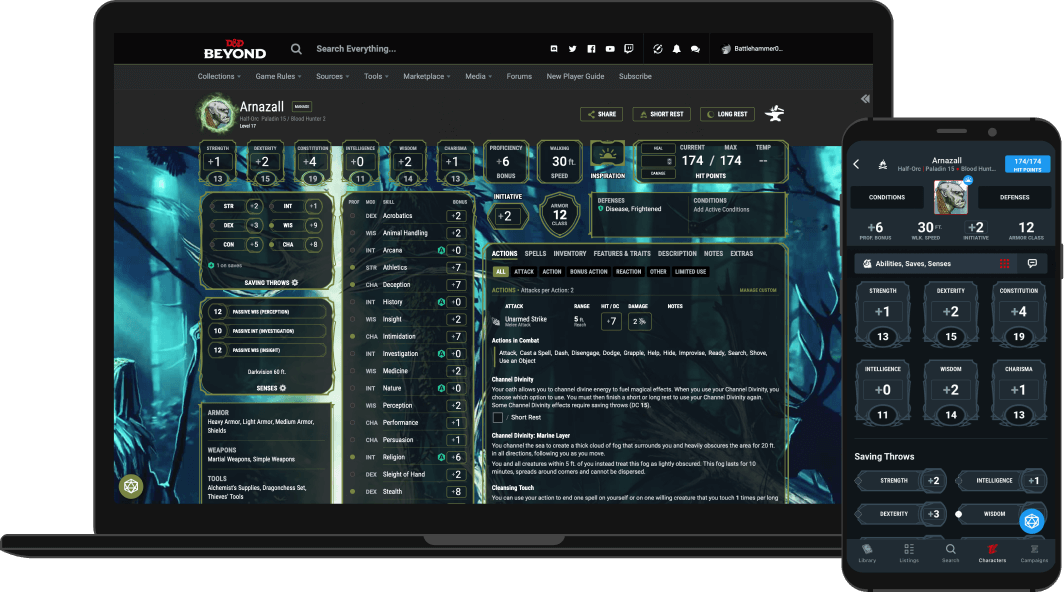
One of its biggest direct successes is D&D Beyond, a digital platform that helps fans create characters, access rules, and play Dungeons & Dragons, which now has over 18 million registered users. These moves underscore that digital transformation isn’t just about making cool apps—it’s about rethinking processes, customer interactions, and business models from top to bottom. In Hasbro’s case, that meant acknowledging that selling toys now requires software engineers, data scientists and consumer behaviouralists as much as toy designers.
On the operational side, Hasbro also knew it had to modernise. The pandemic-era surge in online shopping exposed every weak link in global supply chains, and Hasbro responded by overhauling operations. For instance, it set a goal to cut its manufacturing in China from 50% of production to below 40% by 2025, diversifying to avoid tariffs and disruptions.
Hasbro Bet Big on Digital Gaming and Content
Perhaps the most headline-grabbing aspect of Hasbro’s transformation is its push into digital gaming. Not content with being a bystander, Hasbro has actively invested in and partnered with video game makers to bring its storied brands to screens. The results in the past year have been nothing short of game-changing:
– Monopoly Go!: a mobile game created in partnership with Scopely, an entertainment and mobile-first video game company, made $3 billion in revenue in just 473 days, making it the fastest-growing mobile game on record.
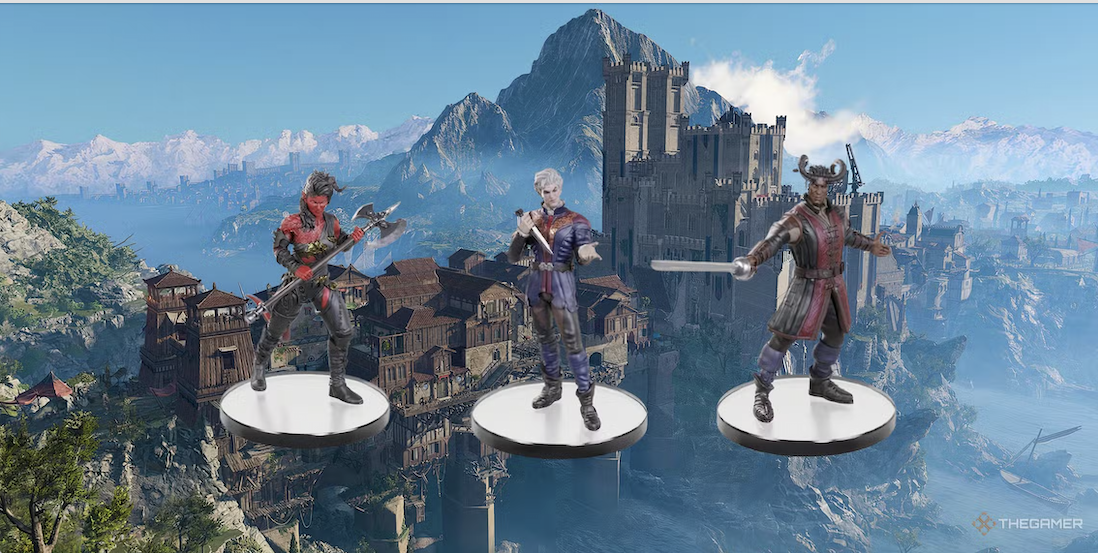
– Baldur’s Gate 3: a role-playing video game based on Hasbro’s Dungeons & Dragons brand, earned millions in licensing revenue. In just five months of 2023, it brought in roughly $90 million for Hasbro.
Instead of fighting Mattel for a bigger slice of the traditional toy pie, Hasbro is charting new waters into what I call Timeless vs. Timely. Hasbro’s ‘Timeless’ products (Monopoly, Dungeons & Dragons) became ‘Timely’ by entering digital spaces where new audiences live. Mobile games like Monopoly Go and Baldur’s Gate 3 opened revenue streams from entirely new customer experiences. These digital experiences create demand rather than divide it. A Monopoly mobile game, for example, isn’t stealing customers from the board game, it’s engaging lapsed players like me and new demographics who might never buy the board version.
Beyond games, Hasbro has also retooled its approach to entertainment. Owning brands like Transformers and My Little Pony means that Hasbro could build movies, shows, and streaming content. This multiplatform loop keeps franchises relevant as films boost toy sales, toys fuel game interest, and games inspire new stories across media. I’ve witnessed this firsthand: after watching the latest Transformers movie with my nephew, we ended up both downloading a related mobile game and purchasing action figures.
By altering the boundaries of what a “toy company” offers, Hasbro is making competitors less relevant. When you’re competing for app downloads and playtime, your adversaries are now mobile gaming giants and entertainment apps, but in that realm, Hasbro holds powerful IP cards. It’s turning its brands into lifestyle franchises that span physical and digital, effectively creating hybrid play experiences that resonate with consumers like me and my nephew alike.
Why Standing Still Is Not an Option
Who would have thought that a 100-year-old company known for Play-Doh would find itself thriving on the success of computer games and entertainment space?
By pivoting from a product-centric to an fan-centric mindset, Hasbro expanded the definition of its business. It’s no longer just a toy company; it’s an entertainment and experience company that meets consumers on their terms—whether that’s a Saturday game night around a table with my friends or a few quick rounds on my smartphone during a commute.
The transformation required significant investment, cultural change, and even some missteps along the way. But Hasbro’s journey demonstrates that the cost of inaction would have been far greater. In a world where my nephew might unbox a new toy and immediately look for a QR code to scan for an online game, or where I might binge a Netflix show and then order the related board game on my phone, companies must meet customers in these fluid ways of engagement.
Rethink, Reinvent, and Play to Win
Hasbro’s strategy aims to expand their audience from 500 million to over 750 million by 2027, a growth trajectory impossible through traditional toy sales alone. In the end, Hasbro’s story is as much about leadership and mindset as it is about toys and tech. They chose to see change as an opportunity, not a threat, and to act while the company was still on solid footing. The result: a Hasbro that’s poised to delight the next generation of fans on whatever platform those fans prefer.
I believe the companies that will thrive in the coming decade are those most willing to question their fundamental assumptions about their business.
How might your company deliver its value in radically different ways?
– Are you defining your business by the products you make or the human needs you serve?
– Are you still treating digital strategy as a side project, or is it woven into every facet of your business model?
____
P.S. Book me for your next keynote, masterclass, or executive advisory!