-
From Toy Chests to Digital Quests: How Hasbro Reinvented Play
I still remember the thrill of playing with Play-Doh at the kitchen table, the squish of colours and that smell could hold my attention for hours. For many of us, childhood play was a tactile adventure, with Sunday mornings lost in toy chests and make-believe battles. Hasbro, one of the world’s oldest toymakers (over a century in business), was at the heart of these memories with classics like Mr. Potato Head and Monopoly. For decades, Hasbro’s business model barely changed: create innovative physical toys and games, ship them to retailers, and watch them fly off shelves during the holidays. But as we grew up (or refused to), and as technology seeped into every aspect of life, the rules of play began to change.
I’ve spent years studying companies that successfully navigate transformations, and Hasbro’s current evolution offers a masterclass in strategic reinvention.
Fast forward to today, and I see the transformation firsthand when I visit my nephews. The toy box has a serious competitor: the tablet and smartphone. My eight-year-old nephew can spend hours building elaborate structures in Minecraft. Kids who once spent afternoons assembling LEGO castles and dressing Barbies are now equally captivated by building digital worlds or staging battles on gaming consoles.
Children’s screen time has exploded (the average American child spends over five hours a day on digital devices), and attention once devoted to physical toys is often split with glowing screens.
This isn’t just a kid thing, either. I see it in my own behavior and that of my friends—we’re the “kidults” who have emerged as a force in the toy industry, with around 60% of Hasbro’s revenue now coming from consumers age 13 and up. Kidults are the grown-ups who never outgrew fun, fueling a boom in collectibles, high-end action figures, and nostalgic re-releases. This trend challenges conventional wisdom about audience segmentation. Rather than simply aging out of their products, Hasbro recognised they could grow by following their original customers into adulthood with products and experiences that mature alongside us.
Playing to Win in a New Era
Hasbro isn’t the first incumbent to face the Innovator’s Dilemma, but it’s doing its best not to become a victim of it. I’m impressed by how they recognised that clinging solely to plastic and cardboard could eventually turn them into a dinosaur. Consumers like me and my nephews were changing: kids wanted interactive, digital-first experiences, and adults wanted frictionless online shopping and richer engagement with the brands we loved. The choice was to embrace digital transformation or risk going the way of Toys “R” Us, which famously failed to adapt to changing consumer behavior.
Hasbro’s strategy, “Playing to Win,” isn’t about abandoning toys (far from it) but about blending the physical and digital into a seamless ecosystem of play. The company started investing heavily in video games, e-commerce, data analytics, and even emerging tech like AI to meet consumers where we are now.
Reimagining the Business Model: Directing Fans
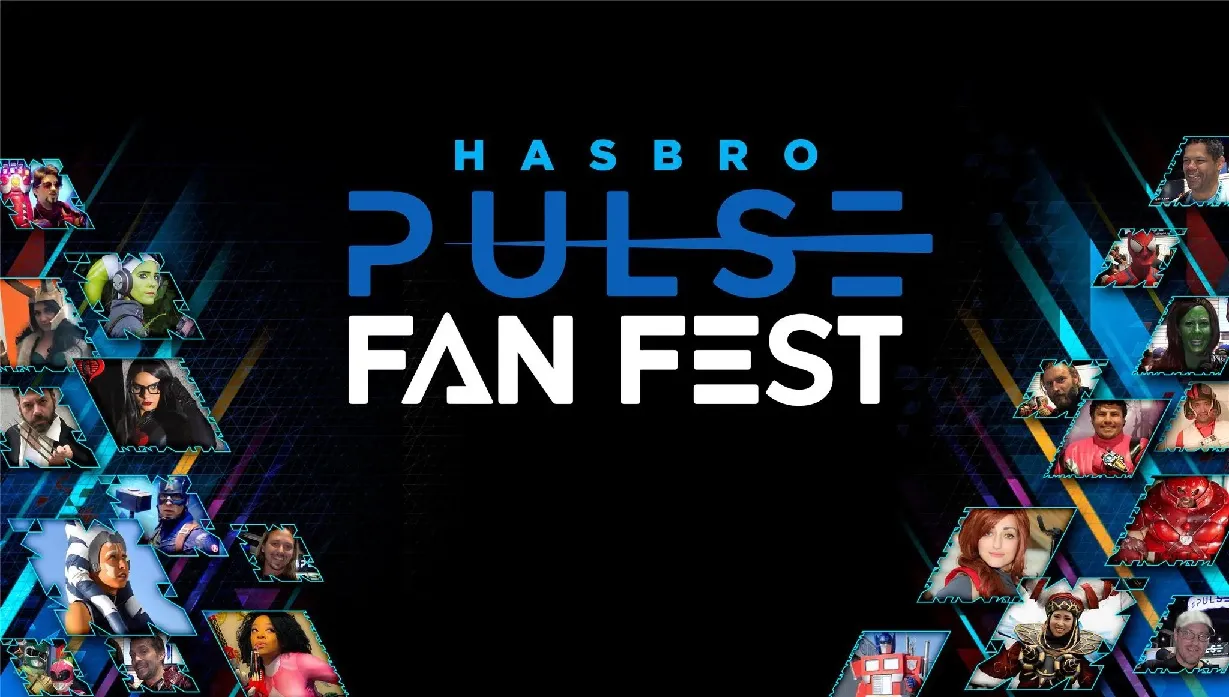
One of the biggest shifts in Hasbro’s model has been moving closer to consumers like me. I remember how Toys “R” Us once acted as the gatekeeper between toy makers and kids—but that era is over. Hasbro Pulse, launched in the late 2010s, is the company’s direct-to-consumer (D2C) platform aimed squarely at fans and collectors. Hasbro Pulse is more than an online store, it’s a community hub where customers feel part of the brand. Through behind-the-scenes content, livestreamed events like Pulse Con, and interactive features like HasLabs, fans are invited to co-create and connect. Premium memberships offer early access and exclusives, strengthening loyalty and turning customers into an engaged, invested community.
Hasbro’s direct-to-consumer e-commerce initiative represents far more than a channel shift—it embodies a transformation from a transaction-focused to a relationship-centered business model. This echoes what I explore in my book “Journey to Centricity”, where I say that businesses must evolve from selling products to creating relationships, purpose, and community with their customers. For Hasbro, this means developing immersive spaces, both physical and digital, where enthusiasts of iconic franchises like Transformers, My Little Pony, and Dungeons & Dragons can meaningfully connect. Hasbro’s transformation shifts its role from a product seller to a true partner in play, centred on what customers genuinely care about: immersive experiences, connection, nostalgia, and the joy of play. It’s no longer asking, “What can we sell you?” but “What do we stand for together
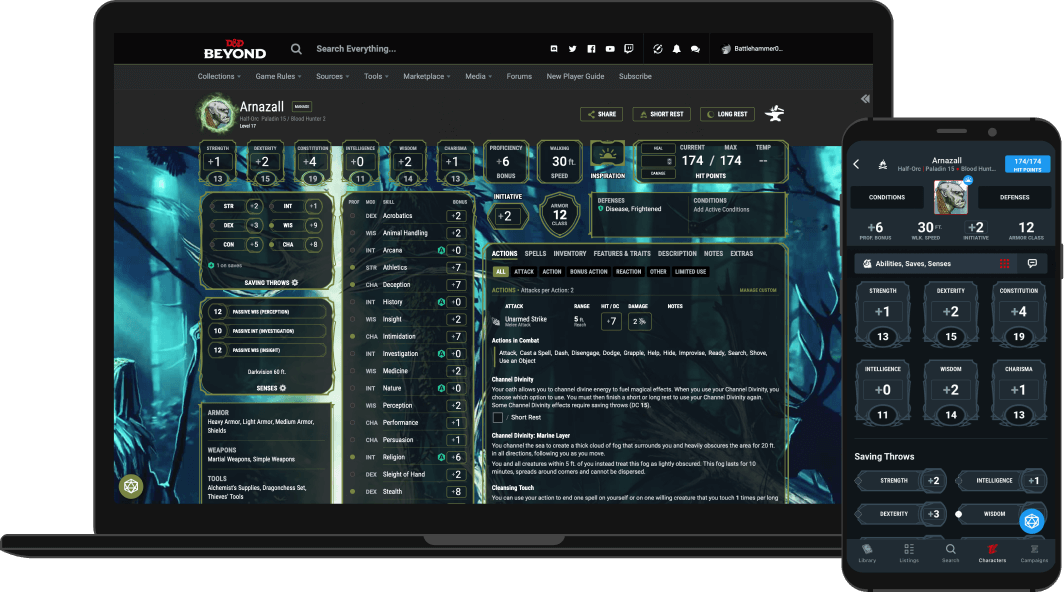
One of its biggest direct successes is D&D Beyond, a digital platform that helps fans create characters, access rules, and play Dungeons & Dragons, which now has over 18 million registered users. These moves underscore that digital transformation isn’t just about making cool apps—it’s about rethinking processes, customer interactions, and business models from top to bottom. In Hasbro’s case, that meant acknowledging that selling toys now requires software engineers, data scientists and consumer behaviouralists as much as toy designers.
On the operational side, Hasbro also knew it had to modernise. The pandemic-era surge in online shopping exposed every weak link in global supply chains, and Hasbro responded by overhauling operations. For instance, it set a goal to cut its manufacturing in China from 50% of production to below 40% by 2025, diversifying to avoid tariffs and disruptions.
Hasbro Bet Big on Digital Gaming and Content
Perhaps the most headline-grabbing aspect of Hasbro’s transformation is its push into digital gaming. Not content with being a bystander, Hasbro has actively invested in and partnered with video game makers to bring its storied brands to screens. The results in the past year have been nothing short of game-changing:
– Monopoly Go!: a mobile game created in partnership with Scopely, an entertainment and mobile-first video game company, made $3 billion in revenue in just 473 days, making it the fastest-growing mobile game on record.
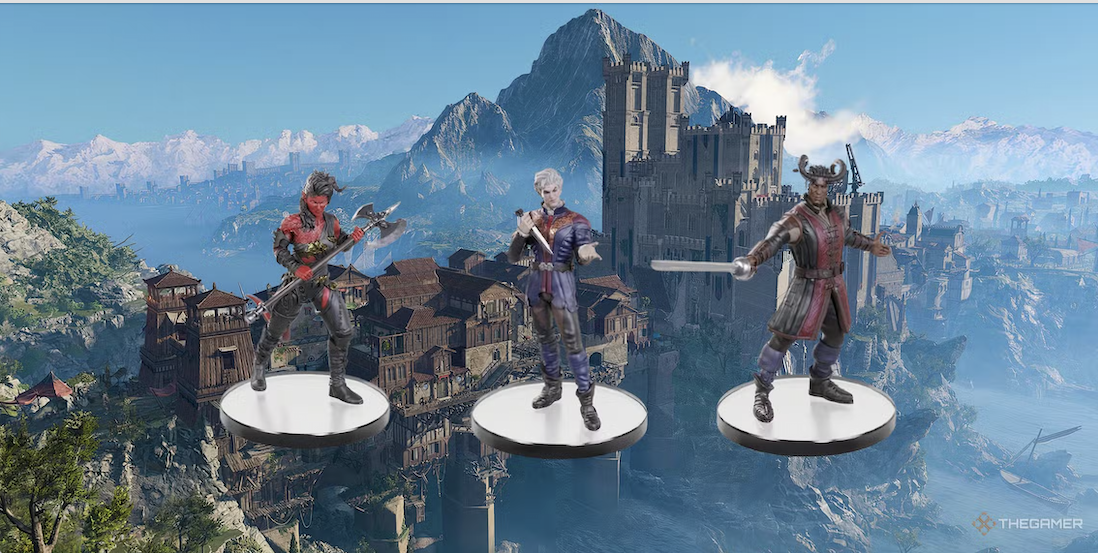
– Baldur’s Gate 3: a role-playing video game based on Hasbro’s Dungeons & Dragons brand, earned millions in licensing revenue. In just five months of 2023, it brought in roughly $90 million for Hasbro.
Instead of fighting Mattel for a bigger slice of the traditional toy pie, Hasbro is charting new waters into what I call Timeless vs. Timely. Hasbro’s ‘Timeless’ products (Monopoly, Dungeons & Dragons) became ‘Timely’ by entering digital spaces where new audiences live. Mobile games like Monopoly Go and Baldur’s Gate 3 opened revenue streams from entirely new customer experiences. These digital experiences create demand rather than divide it. A Monopoly mobile game, for example, isn’t stealing customers from the board game, it’s engaging lapsed players like me and new demographics who might never buy the board version.
Beyond games, Hasbro has also retooled its approach to entertainment. Owning brands like Transformers and My Little Pony means that Hasbro could build movies, shows, and streaming content. This multiplatform loop keeps franchises relevant as films boost toy sales, toys fuel game interest, and games inspire new stories across media. I’ve witnessed this firsthand: after watching the latest Transformers movie with my nephew, we ended up both downloading a related mobile game and purchasing action figures.
By altering the boundaries of what a “toy company” offers, Hasbro is making competitors less relevant. When you’re competing for app downloads and playtime, your adversaries are now mobile gaming giants and entertainment apps, but in that realm, Hasbro holds powerful IP cards. It’s turning its brands into lifestyle franchises that span physical and digital, effectively creating hybrid play experiences that resonate with consumers like me and my nephew alike.
Why Standing Still Is Not an Option
Who would have thought that a 100-year-old company known for Play-Doh would find itself thriving on the success of computer games and entertainment space?
By pivoting from a product-centric to an fan-centric mindset, Hasbro expanded the definition of its business. It’s no longer just a toy company; it’s an entertainment and experience company that meets consumers on their terms—whether that’s a Saturday game night around a table with my friends or a few quick rounds on my smartphone during a commute.
The transformation required significant investment, cultural change, and even some missteps along the way. But Hasbro’s journey demonstrates that the cost of inaction would have been far greater. In a world where my nephew might unbox a new toy and immediately look for a QR code to scan for an online game, or where I might binge a Netflix show and then order the related board game on my phone, companies must meet customers in these fluid ways of engagement.
Rethink, Reinvent, and Play to Win
Hasbro’s strategy aims to expand their audience from 500 million to over 750 million by 2027, a growth trajectory impossible through traditional toy sales alone. In the end, Hasbro’s story is as much about leadership and mindset as it is about toys and tech. They chose to see change as an opportunity, not a threat, and to act while the company was still on solid footing. The result: a Hasbro that’s poised to delight the next generation of fans on whatever platform those fans prefer.
I believe the companies that will thrive in the coming decade are those most willing to question their fundamental assumptions about their business.
How might your company deliver its value in radically different ways?
– Are you defining your business by the products you make or the human needs you serve?
– Are you still treating digital strategy as a side project, or is it woven into every facet of your business model?____
P.S. Book me for your next keynote, masterclass, or executive advisory!
-
Estée Lauder’s Downfall Wasn’t Inevitable—It Was a $100 Billion Bet On Resisting Change
What if I told you that luxury brands don’t die from competition, but from resistance to change?
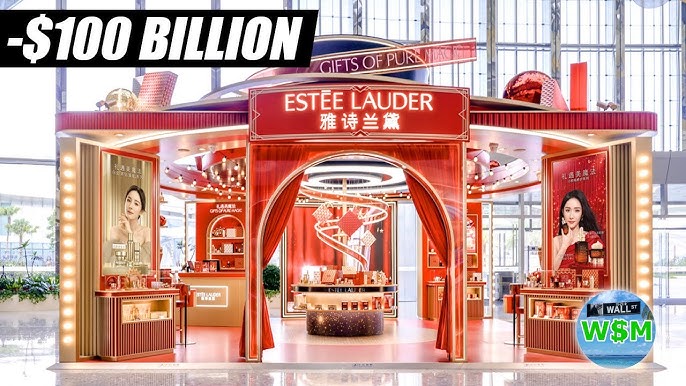
Over the past three years Estée Lauder—a titan of the global beauty industry—has lost $100 billion in market value, watched its stock plummet 78% from its 2022 peak, and seen earnings collapse by 60%.
This is not a fairytale, it’s reality!
For 77 years, this brand thought it was untouchable. Its iconic products commanded loyalty from affluent, older shoppers. Its expansion into China once characterised visionary ambition, but beneath the glossy surface, cracks formed. The company stuck to outdated retail models, underestimated Gen Z’s massive impact, and hesitated to embrace digital transformation.
The result? You risk alienating both your core customers and the next generation of buyers.
Alienation happens when brands mistake loyalty for inertia.Estée Lauder assumed long-term customers would stay out of habit rather than genuine connection. But today, loyalty isn’t passive—it’s earned. Customers stay when brands offer digital convenience, frictionless experiences and champion their values. Ignore that, and loyalty evaporates.
In today’s luxury market, survival demands balancing heritage with agility, prestige with accessibility, and tradition with radical reinvention. Estée Lauder’s story is a stark lesson for leaders: Even legacy giants crumble when they ignore shifting customer expectations and technological evolution. That’s where my 4 R’s of Brand Longevity framework comes in. If you want to build a brand that lasts, you need to:
– Retain your loyal customers by evolving with them, without assuming.
– Reinvent your brand to stay modern, without erasing what made it great.
– Reach new consumers through digital, global, and cultural shifts, without being stuck.
– Resonate with customers on an emotional level, tapping into their values and beliefs.Guess what? Estée Lauder struggled with all four. Let’s break down where they went wrong and what we can all learn from their missteps.
Erosion of the Older Customer Base
For decades, Estée Lauder relied on department stores like Macy’s and Nordstrom. But department store sales declined significantly over the past two decades, while online beauty sales have grown to $60.43 billion in 2023. This underscores the importance of Reach: brands like L’Oréal adapted early, investing in seamless online shopping, while Estée Lauder hesitated, fearing a loss of prestige. By the time it finally joined Amazon in 2024, competitors had already secured loyal online customers.
Older and loyal customers might stick to the brand but not to the same products forever. They too want new and improved options, especially for anti-aging solutions. This highlights the critical need to Retain: La Roche-Posay innovated with dermatologist-backed peptides and ceramides, while Estée Lauder stuck to its legacy formulas. As a result, it risked losing relevance among the very consumers who once made it an industry leader.
Why does this matter? Older shoppers aren’t just buying anti-aging creams, they want products backed by science as science beats nostalgia every time.
Failing to Connect with Younger Consumers
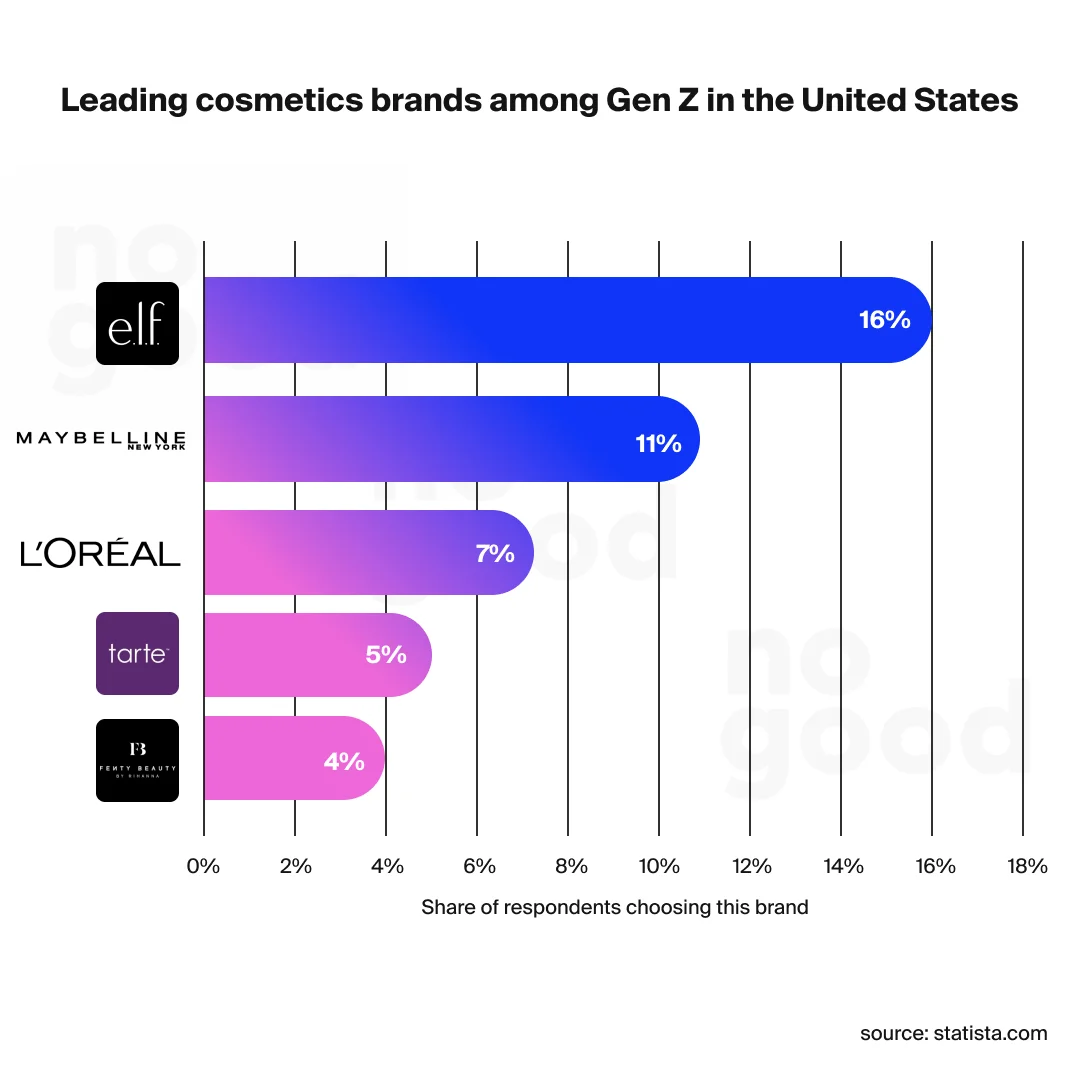
A 2023 Statista survey found that 83% of Gen Z women purchased beauty products online based on TikTok creator recommendations. This is about social proof, a psychological driver where people mimic others’ choices to reduce uncertainty. Brands like e.l.f. Cosmetics understood this shift, achieving over 1 billion TikTok views through viral, influencer-driven campaigns—even crowdsourcing product ideas from users and responding to comments in real-time. To Reach Gen Z, brands must speak their language literally and figuratively.
Trinny Woodall, Founder & CEO of Trinny London, put it best: “How can you, as a brand, make people feel so emotionally connected that they feel full of life?… That’s what I wanted to deliver for women.”
In contrast, Estée Lauder clung to traditional advertising and department store partnerships, posting polished campaigns with generic captions like “Timeless Beauty”—a stark disconnect for a generation that craves authenticity, not perfection. Yet Estée Lauder hesitated to adapt to the influencer-led, community-driven beauty movement, fearing disruption to its prestigious business. As I argue in “Journey to Centricity”, loyalty today hinges on aligning with consumer behaviors, values, and co-creation. Take Rihanna’s Fenty Beauty: it redefined luxury for Gen Z by flooding social media with unretouched models flaunting acne, vitiligo, and diverse body types—a direct rebuke of Estée Lauder’s airbrushed ‘perfection.’ Fenty proved that true Reach means meeting customers where they are, leveraging Henri Tajfel’s Social Identity Theory, which suggests that people align with brands that reinforce their sense of belonging to a group.
Today’s younger consumers gravitate toward brands that champion inclusivity, sustainability, and transparency. This stagnation exemplifies the cost of neglecting to Reinvent and Resonate: Selena Gomez’s Rare Beauty promoted mental health awareness, a mission that resonated with Gen Z’s prioritisation of wellness. Resonating means making your brand part of culture, not just chasing trends. Estée Lauder, however, stuck to its old marketing style, which felt too polished, distant, and disconnected from diverse identities.
It also overlooked the ‘skintellectual’ movement, which prizes ingredient literacy (e.g., hyaluronic acid, retinoids). Ironically, despite acquiring Deciem, the parent company of The Ordinary, in 2021, it failed to leverage its science-forward, affordable ethos to attract younger shoppers.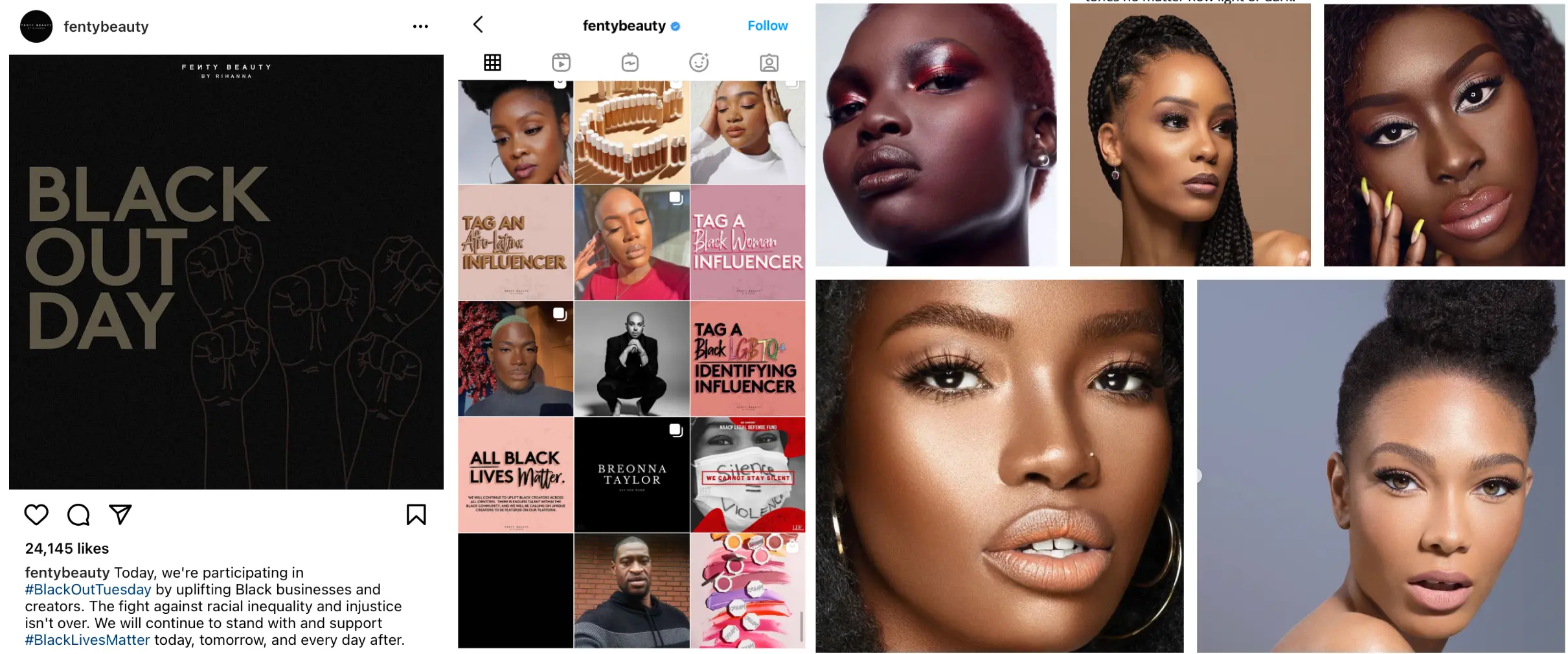
Today’s younger consumers gravitate toward brands that champion inclusivity, sustainability, and transparency. This stagnation exemplifies the cost of neglecting to Reinvent and Resonate: Selena Gomez’s Rare Beauty promoted mental health awareness, a mission that resonated with Gen Z’s prioritisation of wellness. Resonating means making your brand part of culture, not just chasing trends. Estée Lauder, however, stuck to its old marketing style, which felt too polished, distant, and disconnected from diverse identities.
It also overlooked the ‘skintellectual’ movement, which prizes ingredient literacy (e.g., hyaluronic acid, retinoids). Ironically, despite acquiring Deciem, the parent company of The Ordinary, in 2021, it failed to leverage its science-forward, affordable ethos to attract younger shoppers.
Digital Hesitation = Lost Customers
Legacy brands often suffer from the ‘Success Trap Syndrome’: doubling down on what worked in the past, even as markets shift. Estée Lauder’s fear of ‘cheapening’ its brand by embracing Amazon mirrors Blockbuster’s dismissal of streaming.
Are you protecting your brand’s legacy, or are you unknowingly trapping it in the past?
Hesitation was a failure to recognise that delaying digital adoption alienates both older and younger shoppers. This hesitation reveals a refusal to Reinvent: Luxury titan, Christian Dior Couture’s AR try-ons redefined prestige through highly-personalised digital experiences. The paradox—believing heritage could thrive without innovation—left Estée Lauder lagging in direct-to-consumer (DTC) strategies, with websites that lacked personalisation and seamless customer experience.
Estée Lauder’s failure to adapt wasn’t limited to the U.S. market—it also cost the brand in China, where livestreaming drives 25% of all online shopping sales (by gross merchandise value) and has become indispensable for luxury brands competing in the region. While L’Oréal tapped into China’s influencer-driven culture by collaborating with top creators on Douyin, the Chinese version of TikTok, with 600 million daily active users, Estée Lauder relied on global campaigns that lacked localised appeal, failing to resonate in China’s market.
The result? Older shoppers abandoned the brand for digitally savvy rivals offering convenience, and Gen Z dismissed it as irrelevant.

Today, luxury isn’t about where you sell—it’s about how you connect to generations who demand both prestige and agility.
A Path to Rebirth?
Estée Lauder’s downfall wasn’t inevitable—it was a choice. The brand had every opportunity to evolve but instead clung to outdated playbooks. Yet legacy shouldn’t be a liability and heritage can coexist with innovation. The uncomfortable truth is that most legacy brands will face the same crossroads. Without urgent, radical change, they risk becoming relics of the past. The challenge isn’t just about keeping older shoppers loyal but also about embracing digital agility and adapting to younger consumers’ expectations.
If you want your brand to thrive, the path to rebirth lies in the 4 R’s: Retain by evolving with customers, Reinvent by treating heritage as a catalyst, Reach by mastering digital fluency, and Resonate by championing values that mirror your audience.
What’s stopping your company from being the next Estée Lauder?
P.S. Book me for your next keynote, masterclass, or executive advisory!
➤ Take my LinkedIn Learning courses
➤ Get a copy of my book -
The CEO-as-Brand Era: How Leadership Ego is Fuelling Tesla’s Meltdown
Tesla’s crisis isn’t just about sales figures. It’s about what happens when a company becomes inseparable from its CEO’s identity. Once the world’s most valuable car brand, Tesla is now facing a self-inflicted trust crisis. It isn’t being crushed by its competition but by its leadership.
I recently wrote about Tesla’s drop in sales in a short Facebook post that went viral, sparking thousands of reactions and hundreds of heated comments from people across the world. The sheer intensity of the debate showed just how polarising Tesla has become. As someone who studies consumer behaviour and customer trust, I’ve seen how great brands rise—and how they fall when trust is eroded.
It made me think—how did it get here? Tesla stood for innovation, sustainability, and the future of mobility. It was a movement. But when a brand is built on ideals, those ideals must be maintained. The moment customers feel those values are compromised, trust collapses.
Competition is playing a role, of course, but this is about something deeper: trust, reputation, and the dangers of turning a CEO into a brand.The CEO-as-Brand Trap
In today’s world, CEOs aren’t just leaders—they are the brand. Their words, decisions, and public presence define how customers perceive the company. This isn’t new. Henry Ford and Walt Disney had a similar influence. The difference? Their impact was rooted in legacy, not real-time social media influence.
Elon Musk took a different approach. He turned Twitter (now X) into his personal stage, merging Tesla’s identity with his own. It worked for a while. His bold ideas, risk-taking, and unfiltered style made Tesla feel revolutionary. Then, things changed. Controversies started piling up. Instead of strengthening the brand, Musk’s actions became a risk factor.
The backlash Tesla faces now is similar to what Disney experienced when it clashed with Florida lawmakers over the ‘Don’t Say Gay’ bill. But there’s a crucial distinction: Disney’s activism was built around its brand values. Tesla’s backlash isn’t because of a stance—it’s because Musk’s unpredictability has become the stance.
I wrote about brands like Nike, Patagonia, and Ben & Jerry’s taking a stand on social issues in my book Journey to Centricity. Of course, these brands faced backlash and may have alienated some customers, but they gained loyalty from others. The problem is that Musk’s engagement isn’t about corporate values, it’s about personal ideology. And that’s where things get complicated. The real problem here isn’t Musk’s politics (maybe) but his inescapable link to Tesla’s brand.
Business leaders must ask themselves: is my personal brand enhancing the company, or is it distracting from it? The moment customers feel the CEO’s personality outweighs the company’s mission, the brand enters dangerous territory.
The Reputation Crash
The brand that once symbolised progress, sustainability, and the future now appears unpredictable. Customers are taking notice and looking elsewhere.
Let’s break it down.
Musk’s acquisition of Twitter (X) turned away a significant part of Tesla’s audience. Ofcom reported that the UK usership of X has fallen by 4 million since Musk’s takeover.
Many progressive, environmentally conscious customers once saw Tesla as a company that represented the future. Now, Musk’s public feuds, anti-EU stance, and endorsements of far-right figures, including Germany’s nationalist AfD party, have positioned Tesla as a brand at odds with many of its original buyers. European consumers are thoughtful in their choices. They don’t just purchase a product. They invest in what the brand stands for.
Many now feel that Tesla no longer aligns with their values.
That said, Musk’s shift to the right could have an unintended effect, that of expanding the EV market to previously skeptical conservative buyers. His political stance may help “detoxify” electric cars for MAGA enthusiasts.
Tesla’s story proves that tying a company’s identity too closely to one leader can be a double-edged sword. If the CEO falters, the brand suffers.
Losing Loyal Customers
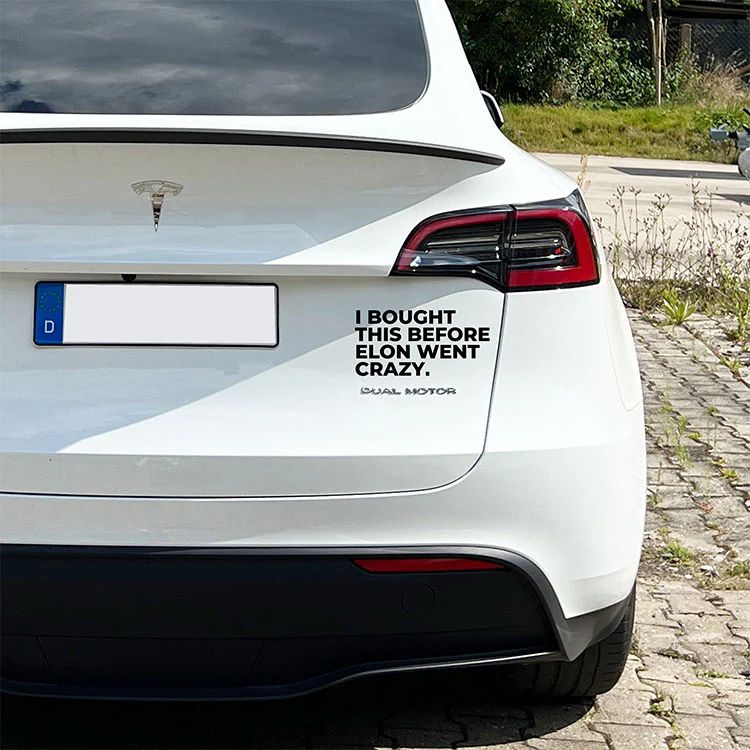
When people start labeling your vehicles as “swasticars,” your brand might have an image issue. Some Tesla drivers now display stickers on their cars that read, “I bought this car before Elon went crazy.” Even Tesla employees are looking for ways to separate themselves from Musk’s influence.
Tesla’s shift isn’t just about sales, but it’s becoming part of a broader cultural reaction.
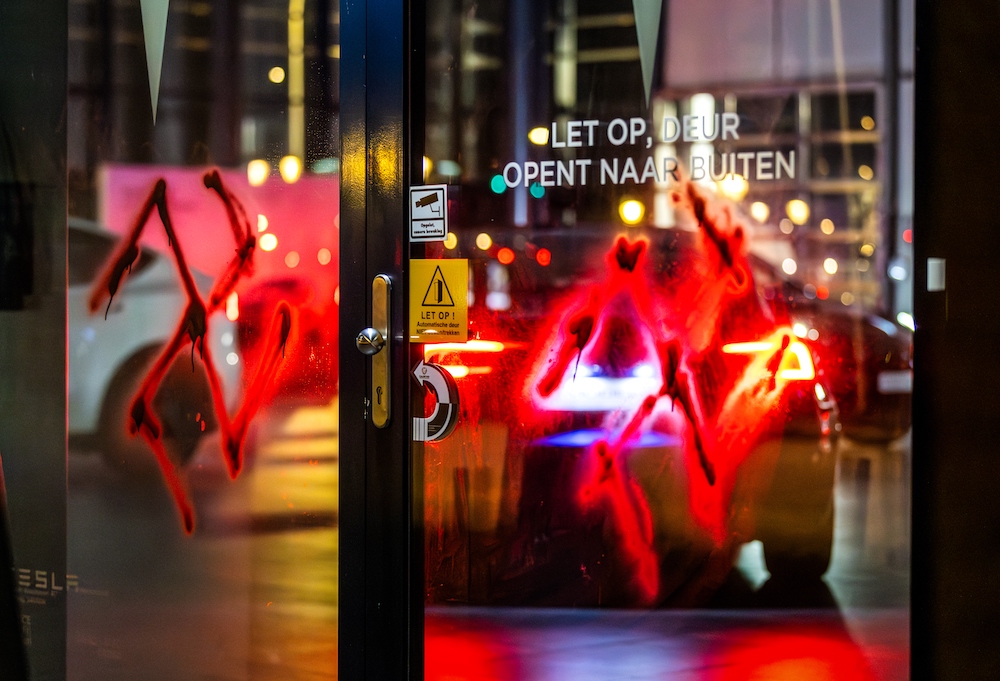
– In The Hague, protesters spray-painted anti-fascist slogans on a Tesla showroom.
– In Gothenburg, Sweden, four Tesla vehicles were set on fire.
– In London, the group “Everyone Hates Elon” has been running anti-Tesla campaigns.The company has become a symbol of division, and as the EV market becomes more crowded, that’s a major liability. Tesla is experiencing the Horn Effect, a psychological bias where one negative trait or association overshadows everything else. Just as the Halo Effect makes people view a brand more favourably because of a positive impression, the Horn Effect does the opposite, distorting perceptions through a negative lens.
Musk’s polarising actions are no longer just his own, they are Tesla’s.
Is This the Fall of an EV Giant?
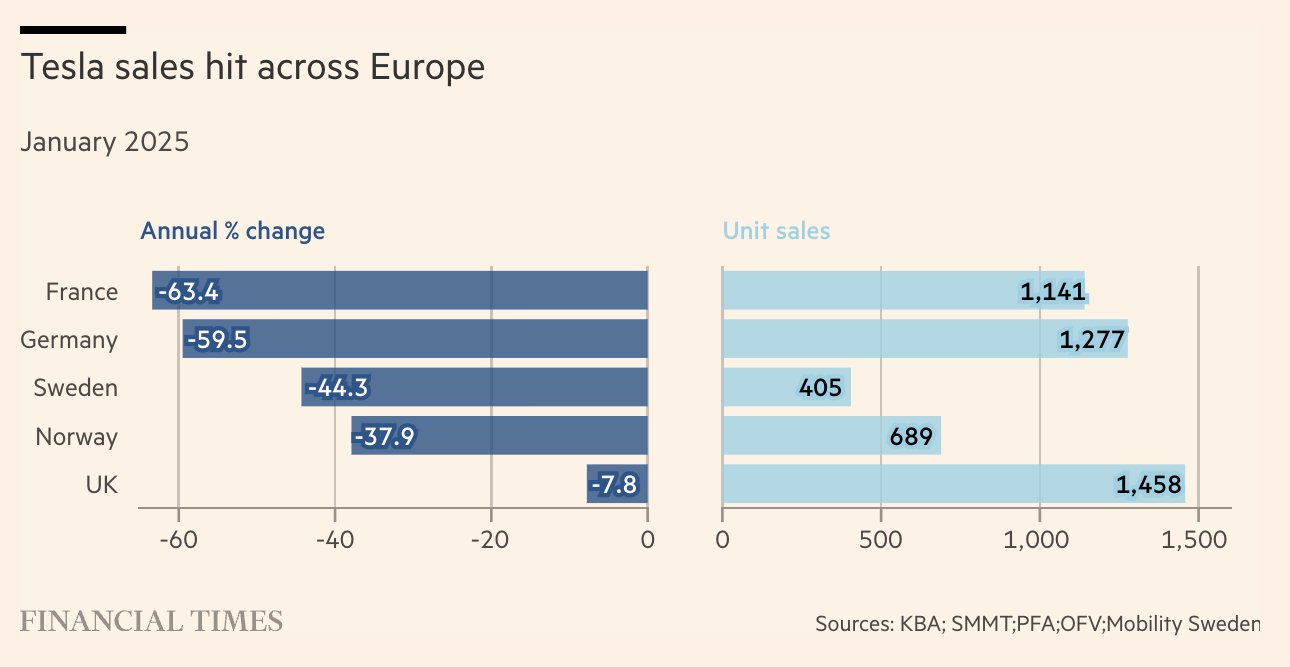
While EV adoption is rising across Europe, Tesla’s annual sales in Europe declined: Spain: -75.4% | Germany: -59.5% | France: -63.4% | Sweden: -44.3% | Norway: -37.9%
The issue isn’t just competition—it’s trust: Musk’s erratic leadership, political alliances, and unpredictable decisions have tainted Tesla’s brand. This is what happens when a CEO’s persona overshadows the company itself.
The data supports this shift:
Brand Finance reports that Tesla’s brand value has dropped 26% in a year. It fell from $58.3 billion in early 2024 to $43 billion in early 2025. That’s a $15 billion decline.
Meanwhile the Competition…
Tesla’s lineup is aging. With no new models in Europe since the Model Y in 2021, its offerings now lag behind fresher, more competitive alternatives. Meanwhile, rivals are surging ahead. Volkswagen and BMW lead in premium EV sales, while Chinese brands like BYD are aggressively expanding with advanced, cost-effective models. BYD’s integration of DeepSeek AI into its vehicles gives it a major edge in China, further widening the gap.
Polestar, the Swedish EV brand, is capitalising on Tesla’s decline, actively courting disillusioned Tesla owners. CEO Michael Lohscheller recently confirmed a surge in interest from former Tesla customers, noting, “A lot of people have very, very negative sentiment.”
Back in 2021, when I interviewed Polestar’s former CMO, it was clear the company wasn’t just building cars but crafting an experience. Polestar had already invested heavily in high-tech innovation, refined customer service, and premium brand identity—all areas where Tesla is now faltering.
Tesla’s Trust Deficit
The Trust Deficit is real here. It’s a concept that I covered in my LinkedIn Learning course.
Every company operates with a “trust” bank account. When customers first engage with a brand, they begin with a balance of trust. Every positive experience, reliable product, and fulfilled promise adds to that account. When customers experience quality issues, poor service, or erratic leadership, they make withdrawals from that account. When withdrawals outpace deposits, trust runs low. Tesla once had a strong trust balance. Now, the company is at risk of exhausting that goodwill.
– Production inconsistencies have frustrated customers in markets that expect precision.
– Repeated price adjustments have led to dissatisfaction and lower resale values.
– Mass layoffs in Europe have raised concerns about stability.
– Activism backlash and erratic behaviourAs Bill Gates bluntly put it, Musk’s involvement in global politics was “insane shit.”
Tesla’s trust erosion isn’t an isolated incident. It follows a well-documented pattern in business psychology: when corporate leaders create uncertainty, consumer confidence declines.
Can Tesla Fix This Mess?
Customers need reasons to stay with Tesla rather than switch to a competitor.
1. Distancing Tesla from Musk’s Personal Brand
Tesla must establish a distinct corporate identity, but this is easier said than done. Musk’s 13% stake and his grip on a historically compliant board mean any rebranding effort would require his approval, a paradox for a company needing to escape his shadow. Until governance shifts, even a new CEO would struggle to redefine Tesla’s narrative.
2. Control the Narrative
Tesla needs to define its core values beyond Musk’s personal ideology. Patagonia and Nike waded into activism with a clear, long-term strategy aligned with their brand values. Tesla, by contrast, is being pulled into ideological battles that do not align with its original mission. The lesson? Don’t let your company get dragged into controversy without purpose. If you take a stand, make sure it aligns with your long-term brand identity. Otherwise, you risk alienating customers with no meaningful upside.
3. Rebuilding Trust Through Actions
To win back confidence, Tesla must shift the focus back to innovation, customer experience, and redefining the brand beyond Musk. That means establishing a stronger corporate voice. Customers don’t just want promises—they want proof. Past successes won’t protect you from market shifts. If you stop innovating, customers will find someone who hasn’t. The easiest way to lose trust is to overpromise and underdeliver. The fastest way to rebuild it is through tangible action.
The Bottom Line
The competition is heating up. Consumer preferences are shifting. Tesla’s greatest asset—its brand—has turned into its biggest liability. No brand is immune to trust erosion. A CEO’s reputation influences business outcomes. For years, Musk positioned Tesla as the car of the future. But Tesla’s future may look a lot like just another automaker, struggling to stand out. In the CEO-as-brand era, leadership decisions shape market success. Strong personal branding can elevate a company, though a mismanaged identity can create lasting setbacks.
What do you think?
▶︎ Could Musk’s persona still benefit Tesla in certain markets or has the cult of personality burned too many bridges to rebuild?
