
Digital Product Passports: A Revolution in Transparent Fashion
I often hear people say they want to be ethical consumers, to buy products that reflect their values but it’s remarkably hard to do this consistently. I feel this frustration especially in the fashion industry. Try shopping for a sweater and figuring out if it was made with fair labour and sustainable materials, that information is nowhere to be found on a typical clothing tag.
It’s a classic case of an information gap: consumers can be overloaded with confusing claims or left with nothing concrete at all, unsure which choice is truly ethical. In fact, research shows a well-documented “attitude–behaviour gap” – plenty of shoppers say they care, but don’t act accordingly because getting the right information at the right time is too difficult. We are essentially asked to make purchasing decisions on faith. This hidden information problem echoes the classic “market for lemons” scenario in economics: when buyers can’t tell high-quality, ethical products from bad actors, the good players don’t get fully rewarded.
Enter Digital Product Passports
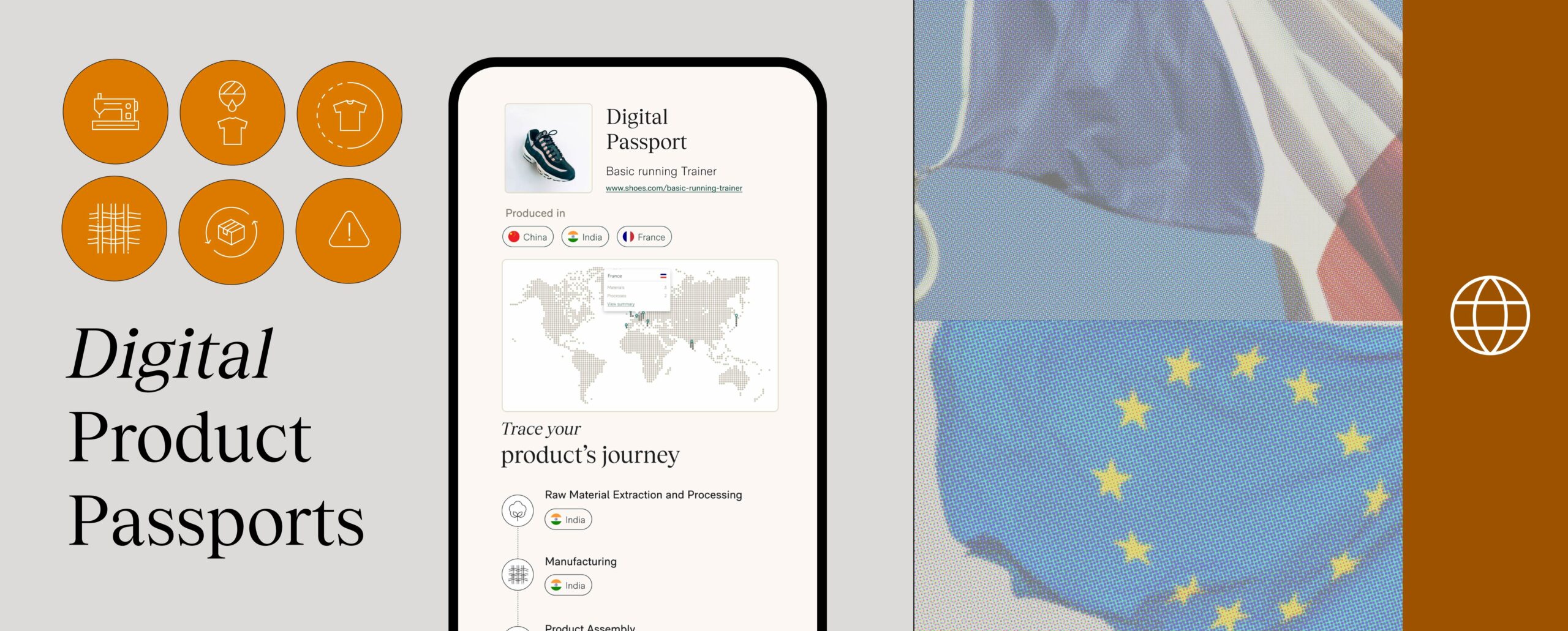
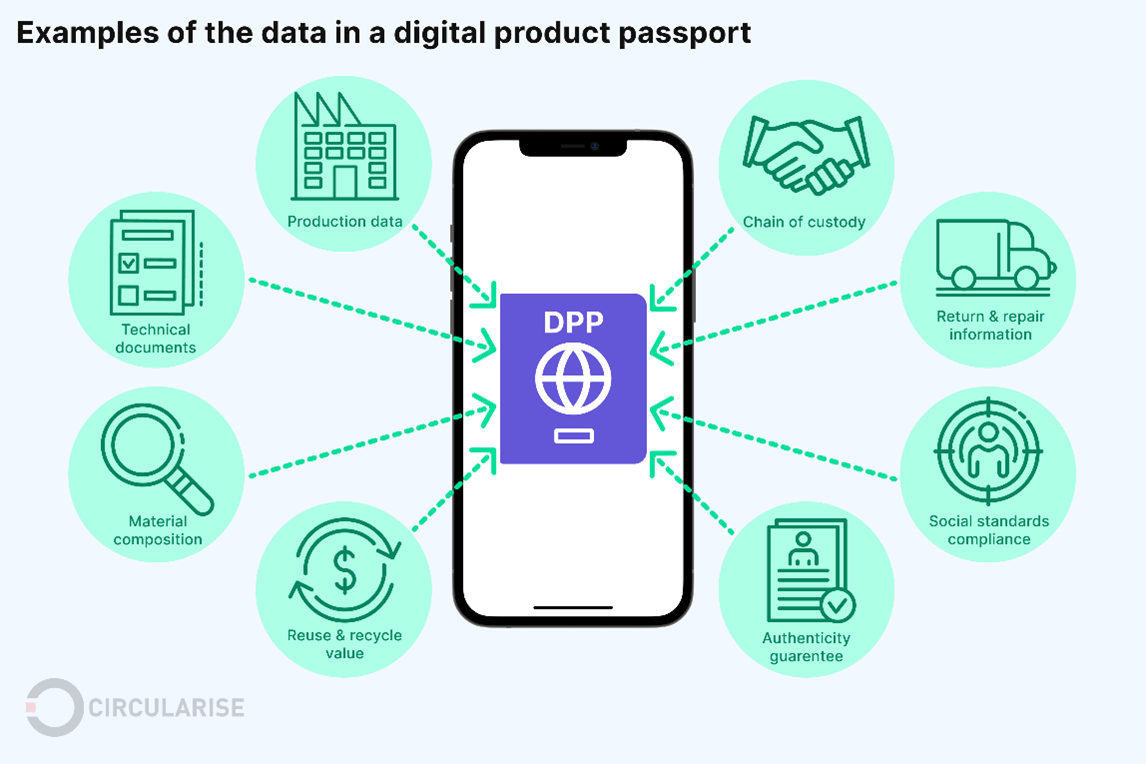
This is where Digital Product Passports (DPPs) come in, essentially a digital “ID card” for a product that tracks its entire life story. Instead of a conventional clothing label that only lists fabric and country of origin, a DPP is a rich record we can access via something like a QR code on the tag. Scan it with our phone, and we could see where the cotton was farmed, which factory stitched the seams, how much water and energy were used, and even instructions on recycling or repair.
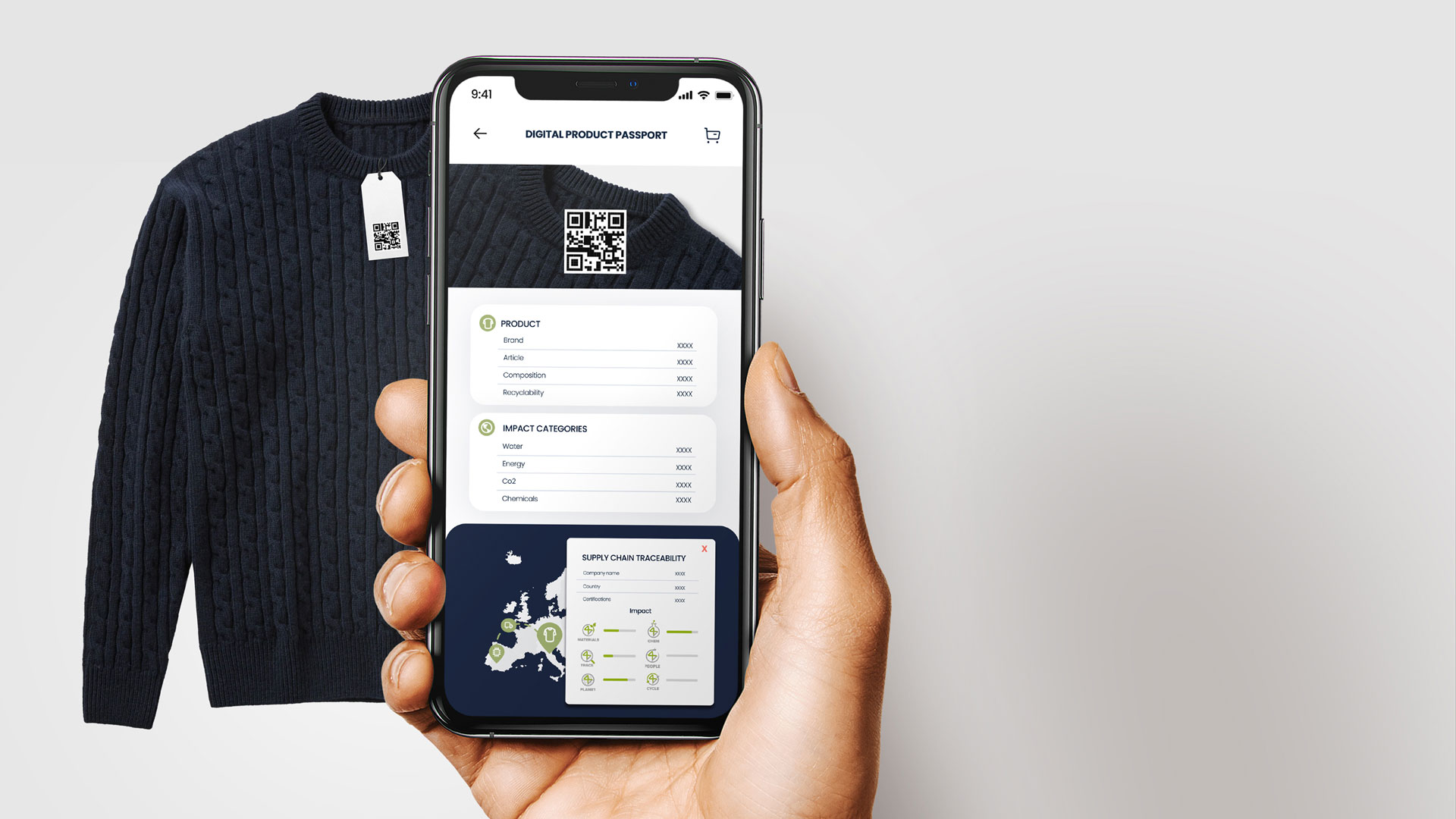
The European Union finds this idea so crucial that it’s making DPPs mandatory for all fashion and textile products sold in Europe by 2030. The goal is to make information about a garment’s supply chain and sustainability as easy to access as a nutrition label on food, something we can actually use to make informed choices.
Even before regulations kick in, some brands are racing ahead. London-based fashion brand Nobody’s Child has been an early adopter, deciding to roll out digital passports across all their products by autumn 2025. They’re tracking about 110 data points per garment, covering everything from fibre origin to the energy source powering the factory. Think about that, 110 bits of information for a single dress or pair of jeans! Their CEO described gathering this data as “like air traffic control at times”, requiring a massive mindset shift for suppliers who have never had to share so much detail before.
Flipping the Power Dynamic
What’s truly revolutionary about digital passports is how they flip the traditional flow of data in the fashion industry. Up until now, brands collected data about us to drive their sales, while we knew little about their products. Most of us have accepted that reality. I know I have, handing over my email, preferences, and purchase history to countless retailers, with no real expectation of getting that data back. DPPs turn that equation around. Suddenly we’re the ones armed with rich information, while brands must open up and share.
I imagine this power shift spawning whole new platforms and services. We might soon see crowdsourced sustainability reviews. Think of a “Yelp for ethical fashion”, where each product’s passport data feeds into public ratings of a brand’s social and environmental performance. Rather than combing through each item’s details myself, we could check a community-generated score that distills how transparent and responsible a company really is.
AI and Future Innovations
Looking further ahead, digital product passports could unlock innovations we’re only beginning to fathom. With access to a vast database of product journeys, AI systems could learn to spot patterns and red flags faster than any human. An AI could analyse thousands of DPP entries and detect anomalies that hint at labour abuses or environmental risk, say, a sudden drop in reported factory workforce or an unusual spike in water usage at a particular mill.
Imagine pairing product data with personal data. In a decade, our clothing might be tailored not just to our size, but to our biochemistry. Say, I’ve taken a DNA or skin microbiome test, those insights combined with passport data on textile properties could guide companies to craft fabrics optimised for me. Digital passports start as a transparency tool, yet they might evolve into something even more personal.
The Two-Way Data Street
One of the most intriguing developments is turning information flow into a two-way street. Imagine you buy a high-quality coat with a digital passport. Six months later, you notice wear and get it serviced. In the future, you might scan the coat’s code and log a repair request and that repair event could be added to the coat’s digital record.
This post-purchase data closes the loop in the product’s life cycle. Brands would learn that Product X typically needs new zippers after two years, or that dresses from Supplier Y’s fabric last longer than those from Supplier Z. Armed with this knowledge, brands can improve design and durability in the next generation.
From a business perspective, this paves the way for new revenue models. Think about how owning a car comes with maintenance services, warranties, trade-in values. We could see something similar in fashion. My winter boots could ping me when it’s time for resoling, just as my car signals when it needs an oil change. This could evolve into subscription programs, perhaps an annual fee that covers all repairs, cleaning, and even upgrades for my wardrobe.
Beyond Fashion: A Cultural Shift
This transparency revolution isn’t limited to big luxury labels or niche eco-brands. The EU’s forthcoming rules will apply to every garment sold in the market, from budget t-shirts to designer handbags. And once consumers get used to having this information, they’ll expect it in other industries too – electronics, furniture, even food. We’re looking at a broader rebalancing of power between customers and companies, where openness and accountability become the norm.
What excites me most is that DPPs encourage a mindset that embraces continuous improvement. When everything is out in the open, complacency is not an option. Companies will have to ask themselves tough questions and take concrete steps to fix any issues – whether environmental impact, labor conditions, or quality control.
Conclusion
Digital product passports offer a glimpse into a future where transparency isn’t a buzzword but a baseline expectation. As a consumer, I’m eager for that future because it means a simpler way to shop according to my conscience. As a business observer, I’m convinced that companies who welcome this transparency will find themselves rewarded with deeper customer loyalty, new market opportunities, and a stronger brand. This is more than a tech upgrade. It’s a transformation in how we buy, sell, and relate to the things we wear.
P.S. Book me for your next keynote, masterclass, or executive advisory!
➤ Take my LinkedIn Learning courses
➤ Get a copy of my book